Last updated: July 20, 2026
Next review: July 2027
Written and source-checked by: Adel Galal, Founder and Lead Writer at NextFitLife
Review status: Editorially reviewed and source checked. This article has not been medically reviewed by a doctor or registered dietitian.
A Healthy Eating Lifestyle is not a short diet.
It is not a perfect meal plan.
It is not a list of foods that you must never eat.
It is the pattern of food and drink choices you make most often.
A useful eating pattern should give your body enough energy, protein, fibre, vitamins, minerals, and fluids.
It should also fit your health, culture, family, budget, schedule, cooking skills, and food preferences.
You do not need expensive superfoods.
You do not need to count every bite.
You do not need to prepare every meal from scratch.
Small choices can build a strong routine when you repeat them.
This guide will show you how to create balanced meals, plan food, read labels, shop on a budget, eat out, and develop sustainable eating habits without fear or guilt.
For more practical nutrition guidance, visit the NextFitLife Healthy Eating Lifestyle Hub.
Quick Answer
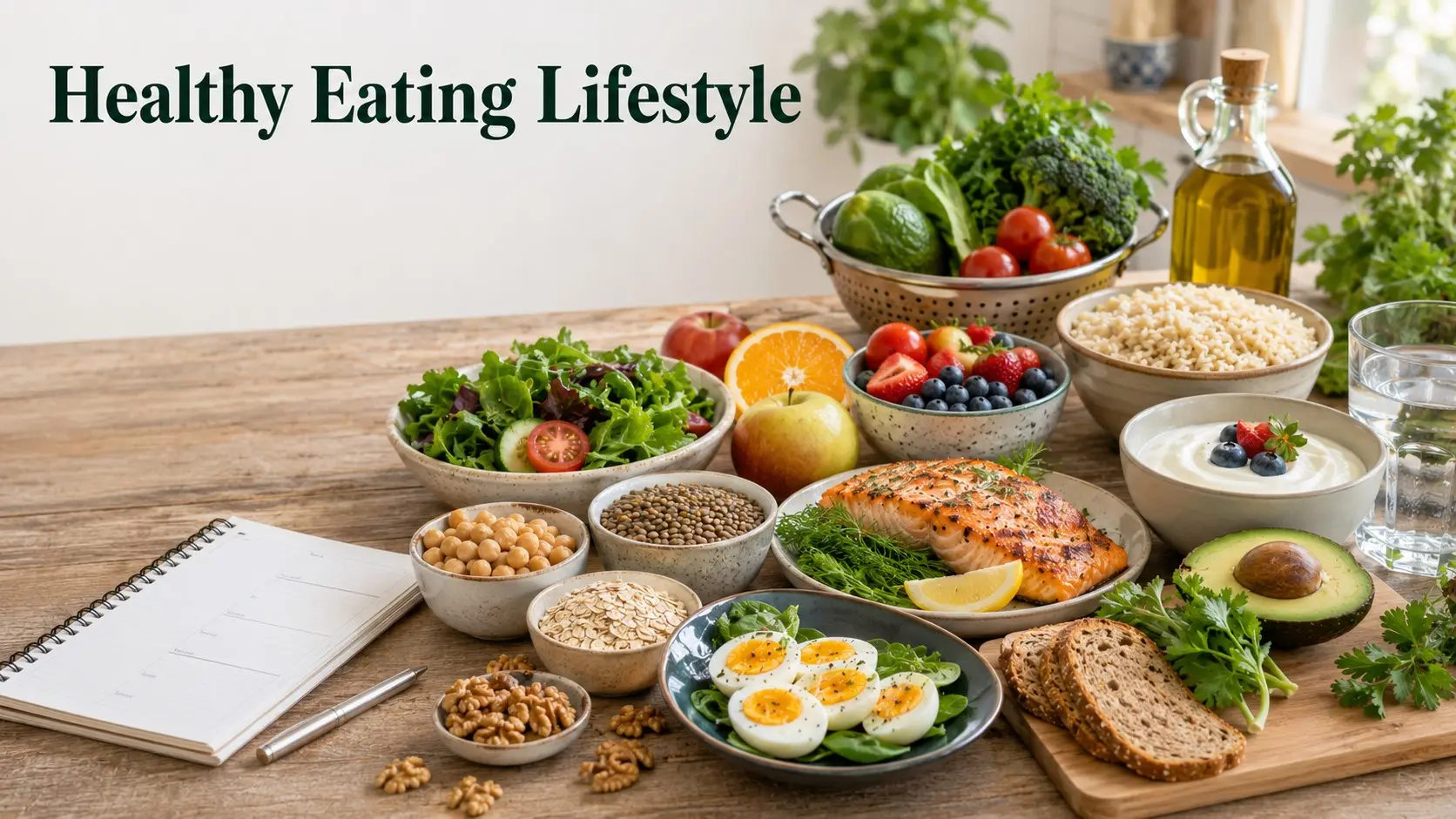
A Healthy Eating Lifestyle is a flexible pattern built around vegetables, fruit, protein foods, beans, whole grains, suitable dairy or fortified alternatives, healthy fats, and water.
Limit foods and drinks that give you a large amount of added sugar, sodium, or saturated fat with little useful nutrition.
Start with one small habit. Add one vegetable, prepare one simple meal, compare one food label, or replace one sugary drink with water. A habit that fits your life is more useful than a strict plan that lasts only a few days.
Important Medical and Nutrition Note
I am not a dermatologist or a doctor, and this content does not replace professional medical advice.
What I share comes from actual life experience, extensive research, and consultation with healthcare providers.
Always consult qualified medical professionals for diagnosis and treatment of any health condition.
General healthy eating advice is not a medical treatment plan.
Speak with a doctor or registered dietitian before making major food changes if you have diabetes, kidney disease, liver disease, heart disease, food allergies, digestive disease, gout, an eating disorder, or another medical condition.
You may also need personal guidance if you are pregnant, breastfeeding, under 18, underweight, taking medicine that affects blood sugar or appetite, or following a prescribed diet.
What Does a Healthy Eating Lifestyle Mean?
A Healthy Eating Lifestyle is your normal pattern of food and drink choices.
It is not one salad.
It is not one dessert.
It is not one weekend.
The full pattern matters more than a single meal.
A useful pattern often includes:
- Vegetables
- Fruit
- Beans and lentils
- Whole grains
- Fish, eggs, chicken, meat, tofu, tempeh, or other protein foods
- Milk, yogurt, cheese, or suitable fortified alternatives
- Nuts and seeds
- Olive oil, avocado, and other suitable fats
- Water and other suitable drinks
These are examples of nutrient-dense foods.
They provide useful nutrition in relation to the energy they contain.
You do not need to eat every food on this list.
Your pattern can be vegetarian, vegan, Mediterranean, culturally traditional, or based on the foods available in your area.
Healthy Eating Is Flexible
Flexibility helps an eating pattern work in real life.
You may eat differently on workdays and weekends.
You may eat fresh foods while travelling, attending a family event, observing a religious occasion, or eating at a restaurant.
One unusual meal does not cancel your normal habits.
Return to your usual pattern at the next meal.
Healthy Eating Is Not a Moral Test
Food does not make you a good or bad person.
Words such as clean, guilty, cheating, perfect, and forbidden can make eating feel stressful.
It may be more useful to describe food as:
- Higher in fibre
- Higher in protein
- Higher in sodium
- Higher in added sugar
- More filling
- Fewer filling
- Useful for regular meals
- Enjoyed sometimes
How Can a Healthy Eating Lifestyle Support Your Health?
A balanced eating pattern gives your body the nutrients it needs for normal daily functions.
It may help support:
- Normal growth and tissue repair
- Muscle health
- Digestive health
- Heart and blood vessel health
- Healthy blood sugar management
- Healthy blood pressure
- Bone health
- Normal immune function
- Energy needs
- Healthy aging
Food is one part of health.
Sleep, physical activity, stress, medicine, genetics, health care, smoking, alcohol, income, food access, and the environment also matter.
A healthy diet cannot guarantee that you will never become ill.
It cannot cure every health condition.
It cannot replace testing, medicine, surgery, or medical care.
Healthy Food Does Not Create Instant Energy
Food gives your body energy and nutrients.
But tiredness has many causes.
These include poor sleep, anemia, low vitamin B12, thyroid problems, infection, depression, diabetes, medicine, and other health conditions.
Speak with a healthcare professional if tiredness is strong, new, or does not improve.
For more information about food sources of vitamin B12, read our B12 Rich Foods Guide.
Foods That Build a Healthy Eating Lifestyle
Vegetables
Vegetables provide fibre, vitamins, minerals, water, and many plant compounds.
Try different colours and types during the week.
Useful choices include:
- Leafy greens
- Broccoli
- Cauliflower
- Cabbage
- Carrots
- Peppers
- Tomatoes
- Green beans
- Peas
- Onions
- Mushrooms
- Eggplant
Fresh vegetables are useful.
Frozen and canned vegetables can also fit a Healthy Eating Lifestyle.
Compare sodium when buying canned vegetables.
Choose frozen vegetables without heavy sauces when possible.
Fruit
Fruit provides fibre, vitamins, minerals, water, and natural sweetness.
Choose whole fruit more often than juice.
Examples include:
- Apples
- Pears
- Berries
- Oranges
- Bananas
- Grapes
- Peaches
- Plums
- Mango
- Melon
Fresh, frozen, canned, and dried fruit can all be useful.
Check for added sugar or syrup in canned fruit.
Dried fruit has less water and is easy to eat in large quantities.
Beans and Lentils
Beans, lentils, chickpeas, and peas provide plant-based protein and fibre.
They can be used in:
- Soup
- Salad
- Rice meals
- Wraps
- Curries
- Pasta sauces
- Vegetable bowls
Drain and rinse canned beans to remove some sodium.
Whole Grains
Whole grains contain more of the original grain than refined grains.
Choices may include:
- Oats
- Brown rice
- Barley
- Quinoa
- Whole grain bread
- Whole wheat pasta
- Whole grain cereal
White rice, white bread, and regular pasta can still fit.
You do not need to remove them.
Choose fibre-rich grains often and use the foods that suit your digestion, culture, and budget.
Protein Foods
Protein supports muscles, skin, blood, enzymes, and many normal body functions.
Useful protein foods include:
- Eggs
- Fish
- Chicken
- Lean meat
- Plain yogurt
- Cottage cheese
- Milk
- Beans
- Lentils
- Tofu
- Tempeh
- Edamame
- Nuts
- Seeds
You do not need the highest possible protein intake.
You do not need protein powder at every meal.
Your needs depend on your age, body size, health, activity, pregnancy status, and goals.
Explore more options in our High Protein Foods Guide.
Milk, Yogurt, Cheese, and Alternatives
Milk, yogurt, and cheese can provide protein, calcium, vitamin B12, and other nutrients.
Choose plain products when you want to reduce added sugar.
A plant drink is not automatically equal to dairy milk.
Compare protein, calcium, vitamin D, added sugar, and ingredients.
Fortified soy drinks often provide more protein than many rice, almond, coconut, or oat drinks.
Read our Calcium Rich Foods Guide for dairy and non-dairy calcium sources.
Nuts and Seeds
Nuts and seeds provide fat, fibre, protein, vitamins, and minerals.
Examples include:
- Walnuts
- Almonds
- Pistachios
- Peanuts
- Chia seeds
- Flaxseed
- Pumpkin seeds
- Sunflower seeds
A small serving is often enough.
These foods contain a lot of energy in a small amount.
People with allergies must avoid unsafe nuts or seeds and check labels for contact.
Healthy Fats
Healthy fats can help food taste satisfying and support normal body functions.
Sources include:
- Olive oil
- Avocado
- Nuts
- Seeds
- Fish
Fat is not bad.
However, oils, nuts, seeds, and avocado contain many calories in small portions.
Use an amount that fits your needs.
Water and Other Drinks
Water is a useful main drink for many people.
Plain tea, coffee, milk, and suitable fortified alternatives may also fit.
Sweet coffee, soda, energy drinks, sweet tea, and many fruit drinks can contain a large amount of added sugar.
You do not need to drink a fixed amount of water that you saw online.
Fluid needs vary with body size, climate, activity, pregnancy, illness, medicine, kidney health, and heart health.
Are Processed Foods Always Unhealthy?
No.
Processing can include washing, cutting, freezing, cooking, canning, fermenting, drying, and packaging.
Useful processed foods include:
- Frozen vegetables
- Canned beans
- Canned fish
- Plain yogurt
- Whole grain bread
- Oats
- Frozen fruit
- Fortified foods
The word processed does not tell you everything.
Some packaged foods contain a lot of sodium, added sugar, saturated fat, or calories in a small portion.
Compare the full product.
Look at the serving size, ingredients, sodium, added sugar, fibre, and protein.
How to Build a Balanced Meal
A balanced diet does not require perfect numbers at every meal.
Use this simple structure as a starting point.
- Choose vegetables or fruit.
- Add a protein food.
- Add beans, potatoes, rice, oats, bread, pasta, or another grain.
- Add a suitable amount of fat.
- Choose water or another suitable drink.
Your portion needs depend on your age, body size, activity level, health, appetite, and goals.
A plate guide is a visual idea.
It is not a medical prescription.
| Meal part | Simple choices |
|---|---|
| Vegetables or fruit | Salad, cooked vegetables, berries, apples, oranges, or another suitable choice |
| Protein | Eggs, fish, chicken, yogurt, beans, lentils, tofu, or lean meat |
| Carbohydrate food | Potatoes, rice, oats, bread, pasta, beans, fruit, or another grain |
| Fat | Olive oil, avocado, nuts, seeds, or fat naturally present in the meal |
| Drink | Water, plain tea, coffee, milk, or a suitable alternative |
Simple Breakfast Examples
- Eggs with vegetables and whole grain toast
- Plain yogurt with fruit and oats
- Oatmeal with milk, berries, and walnuts
- Beans with tomatoes and bread
- Tofu with vegetables and potatoes
Find more ideas in our Healthy Breakfast Ideas Guide.
Simple Lunch Examples
- Chicken, salad, and potatoes
- Tuna, rice, and vegetables
- Lentil soup with fruit and bread
- Tofu, vegetables, and brown rice
- Beans, salad, and a whole grain wrap
Simple Dinner Examples
- Fish with vegetables and potatoes
- Chicken with rice and salad
- Lean meat with cooked vegetables and bread
- Tempeh with vegetables and noodles
- Lentil curry with rice
Simple Snack Examples
- Fruit with plain yogurt
- A boiled egg
- Vegetables with hummus
- Cottage cheese with berries
- A small serving of nuts with fruit
A snack is optional.
Eat one when it meets a genuine need.
You do not need to snack because a product is marketed as healthy.
16 Healthy Eating Lifestyle Habits That Last
1. Add Foods Before You Remove Foods
Start by adding vegetables, fruit, beans, or another useful food.
Restriction can make eating feel harder.
A small addition is often easier to repeat.
2. Build Meals Around Normal Foods
You do not need powders, detox drinks, rare berries, or expensive products.
Use eggs, oats, beans, rice, vegetables, fruit, yogurt, fish, and other foods available to you.
3. Eat a Variety of Foods
No single food provides every nutrient.
Rotate vegetables, fruit, grains, beans, and protein foods across the week.
4. Include Fiber-Rich Foods
Fibre-rich foods include fruit, vegetables, beans, lentils, whole grains, nuts, and seeds.
Fibre can support digestion and may help meals feel more filling.
Add fibre slowly if you currently eat very little.
Drink enough fluid for your needs.
Visit our Gut Health and Digestion Foods Hub for related guides.
5. Choose a Protein Food for Main Meals
Protein may help a meal feel more complete.
Use eggs, fish, chicken, yogurt, beans, lentils, tofu, or another food that fits your diet.
6. Drink Water Often
Keep water available during the day.
Replace one sugary drink when that change is useful.
7. Reduce Added Sugar Gradually
Common sources include soda, sweet coffee, sweet tea, sweets, syrups, and many desserts.
You do not need to remove every sweet food.
Start with the source that contributes the most to your routine.
8. Compare Sodium
Sodium can be high in bread, sauces, processed meat, canned food, ready meals, snacks, and restaurant food.
Compare similar products.
Use herbs, garlic, lemon, vinegar, pepper, and spices for flavour.
9. Plan a Few Repeat Meals
You do not need a fresh meal every day.
Choose three breakfasts, three lunches, and three dinners that work well.
Repeat them, changing the vegetables, fruit, or seasonings.
10. Prepare One Food in Advance
Cook rice, beans, eggs, chicken, vegetables, oats, or soup.
One prepared food can make several meals easier.
11. Keep Useful Foods Visible
Place fruit where you can see it.
Keep washed vegetables, yogurt, eggs, or prepared food in an easy-to-reach place.
Your environment can make choices easier.
12. Eat Slowly Enough to Notice the Meal
Pause between bites.
Notice taste, texture, hunger, and fullness.
You do not need to eat perfectly slowly.
Give yourself enough time when possible.
13. Allow Enjoyable Foods
Dessert, bread, restaurant food, and family recipes can fit.
A flexible plan is often easier to maintain than a rigid one.
14. Stop Chasing Perfect Portions
Hunger can change from one day to another.
Activity, sleep, stress, illness, hormones, and meal timing can affect appetite.
Use portions as a starting point, not a moral rule.
15. Change One Habit at a Time
Trying to fix everything in one day can feel exhausting.
Choose one action and repeat it until it feels normal.
16. Focus on Progress
A Healthy Eating Lifestyle is built over time.
A missed plan or an unusual meal is not a failure.
Your next meal is another chance to care for yourself.
How to Read Food Labels
Food labels can help you compare packaged products.
Do not judge food by one number alone.
1. Start with the Serving Size
The numbers on the label are based on one serving.
Your portion may be smaller or larger.
A package may contain more than one serving.
2. Look at Added Sugar
Total sugar includes sugar naturally found in food and sugar added during preparation.
Added sugar is listed separately on many labels.
Compare similar yogurts, cereals, drinks, sauces, and snack foods.
3. Compare Sodium
Compare sodium between similar breads, soups, sauces, canned foods, and ready meals.
4. Review Saturated Fat
Compare saturated fat when choosing between similar products.
The full eating pattern still matters.
5. Check Fibre and Protein
Fibre and protein may help a product fit into a balanced meal.
Food does not become healthy only because the package says high protein.
6. Read the Ingredient List
Ingredients are usually listed from the largest amount to the smallest amount by weight.
A long list does not automatically make a food harmful.
Use the list to identify allergens, added sugars, oils, whole grains, and other ingredients that matter to you.
7. Compare Similar Foods
Compare yogurt with yogurt.
Compare bread with bread.
Compare cereal with cereal.
This is more useful than comparing two foods that serve different purposes.
How to Follow a Healthy Eating Lifestyle on a Budget
Healthy eating does not require luxury food.
Prices vary by country, season, and store.
Use the foods that are practical where you live.
Check What You Already Have
Look in the refrigerator, freezer, and cupboards before shopping.
Plan meals around food that needs to be used.
Write a Short List
Choose a few meals before going to the store.
Write only the foods you need.
Use Affordable Staples
Useful low-cost foods may include:
- Oats
- Rice
- Potatoes
- Beans
- Lentils
- Eggs
- Frozen vegetables
- Seasonal fruit
- Canned fish
- Plain yogurt
Compare Unit Prices
A larger package is not always cheaper.
Compare the price by weight or volume when that information is available.
Use Frozen and Canned Foods
Frozen vegetables and fruit can reduce waste.
Canned beans and fish can make meals faster.
Compare sodium, syrup, and added sugar.
Cook Once and Use Food Twice
Cook extra rice, beans, vegetables, chicken, or soup.
Use leftovers safely for lunch or another dinner.
Reduce Food Waste
Freeze bread, cooked meals, and suitable produce before they spoil.
Label containers with the food name and date.
Simple Meal Planning for Real Life
Meal planning is not about controlling every bite.
It is a way to reduce decisions and make useful food easier to reach.
Choose a Simple Weekly Structure
Write down:
- Three breakfast choices
- Three lunch choices
- Three dinner choices
- Two snack choices
Choose Meal Building Blocks
Prepare:
- One grain or potato dish
- One protein food
- Two vegetables
- One sauce or dressing
Mix them in different ways during the week.
Plan for Busy Days
Keep one fast meal ready.
Examples include:
- Eggs with toast and tomatoes
- Beans with rice and frozen vegetables
- Yogurt with fruit and oats
- Canned tuna with potatoes and salad
- Soup with bread and fruit
Plan for Enjoyment
Include meals and foods you enjoy.
A plan made only from foods you dislike will not feel sustainable.
Visit our Meal Prep and Recipes Hub for more planning ideas.
How to Eat Well Away from Home
Restaurant food, takeout, work meals, and family events can fit into a Healthy Eating Lifestyle.
You do not need to avoid social meals.
Read the Menu Before You Go
Choose a few options before you become very hungry.
Build a Balanced Order
Look for a meal with vegetables, a protein food, and rice, bread, potatoes, pasta, or another suitable carbohydrate food.
Ask for Simple Changes
You may ask for sauce on the side, extra vegetables, or a different side dish.
You do not need to change every part of the meal.
Share or Save Food When Helpful
Restaurant portions can be large.
Share a dish or save a part for later when this fits the situation.
Enjoy the Meal
Food is also culture, family, celebration, and pleasure.
One restaurant meal does not define your health.
Build a Calmer Relationship with Food
Mindful eating means paying attention to food and your experience of eating.
It does not mean eating slowly and perfectly at every meal.
Notice Physical Hunger
Physical hunger may feel like an empty stomach, low energy, irritability, or thoughts about many different foods.
Notice Other Reasons for Eating
You may also eat because of:
- Habit
- Stress
- Boredom
- Celebration
- Social events
- Comfort
- Food availability
These reasons do not make you weak or bad.
Awareness helps you decide what you need.
Remove Guilt
Guilt rarely improves nutrition.
It can lead to restriction, overeating, and more stress around food.
Return to your normal routine without punishment.
Avoid Extreme Rules
Be cautious with plans that promise:
- Fast detoxing
- Rapid fat loss
- A cure for many diseases
- Perfect hormone balance
- Foods that melt belly fat
- A long list of forbidden foods
Food can support health.
It is not magic.
Simple Seven-Day Healthy Eating Lifestyle Plan
This plan is an example of general wellness.
Change the foods and portions to fit your health, culture, appetite, and budget.
| Day | Breakfast | Lunch | Dinner |
|---|---|---|---|
| Day 1 | Oats with yogurt and berries | Lentil soup, salad, and bread | Baked fish, potatoes, and broccoli |
| Day 2 | Eggs, tomatoes, and whole grain toast | Chicken, rice, and vegetables | Bean and vegetable pasta |
| Day 3 | Plain yogurt, fruit, oats, and seeds | Tuna, potatoes, cucumber, and tomato | Tofu, vegetables, and noodles |
| Day 4 | Beans, eggs, and bread | Chickpea salad wrap with fruit | Chicken, potatoes, and green beans |
| Day 5 | Overnight oats with apple and cinnamon | Leftover chicken and vegetable bowl | Lentil curry with rice |
| Day 6 | Vegetable omelet with toast | Bean soup, yogurt, and fruit | Salmon, rice, and salad |
| Day 7 | Whole grain cereal, milk, fruit, and nuts | Egg and vegetable sandwich | Family meal with vegetables added |
A Four-Week Healthy Eating Lifestyle Starting Plan
Week 1: Add Colour
- Add one fruit or vegetable to one meal each day.
- Keep fruit visible and easy to reach.
- Use frozen vegetables when fresh food is not practical.
Week 2: Build Better Meals
- Add a protein food to main meals.
- Add beans, oats, potatoes, rice, or whole grains.
- Choose water with one meal each day.
Week 3: Plan and Prepare
- Choose three repeat meals.
- Write a short shopping list.
- Prepare one grain, one protein, or one vegetable in advance.
Week 4: Review Your Routine
- Keep the habits that made life easier.
- Change habits that felt too strict.
- Choose one new step for the next month.
You do not need to complete every action.
Use the plan as a guide.
Healthy Eating for Different Needs
Vegetarian Eating
Use eggs, yogurt, milk, cheese, beans, lentils, tofu, tempeh, nuts, seeds, and fortified foods.
Pay attention to vitamin B12, iron, calcium, iodine, protein, and vitamin D.
Vegan Eating
A vegan pattern can include beans, lentils, tofu, tempeh, edamame, whole grains, vegetables, fruit, nuts, seeds, and fortified foods.
Reliable vitamin B12 is essential.
Ask a qualified professional whether you need supplements.
Gluten-Free Eating
A strict gluten-free diet is needed for celiac disease.
Useful foods include rice, potatoes, quinoa, beans, fruit, vegetables, eggs, fish, meat, dairy, and certified gluten-free oats.
Do not remove gluten before medical testing unless a clinician advises you to do so.
Healthy Eating with Diabetes
Carbohydrate foods include bread, rice, pasta, potatoes, fruit, milk, yogurt, beans, and sweet drinks.
The type and portion matter.
Follow your personal blood sugar, medicine, and meal plan.
Do not change insulin or diabetes medicine because of a general article.
Healthy Eating with Kidney or Liver Disease
Kidney and liver conditions can change needs for protein, sodium, potassium, phosphorus, fluids, and total energy.
Do not use a general healthy eating plan in place of a renal or liver diet.
Read our Kidney Healthy Foods Guide and Foods Good for the Liver Guide, then speak with your medical team.
Healthy Eating During Pregnancy
Pregnancy changes energy, iron, folate, iodine, calcium, protein, and food safety needs.
Follow advice from your maternity care team.
Avoid unsafe raw or unpasteurized foods.
Healthy Eating for Children
Children need enough energy and nutrients for growth.
Do not place a child on a restrictive weight loss diet without qualified pediatric care.
Offer regular family meals and safe food sizes.
Common Healthy Eating Lifestyle Mistakes
Trying to Change Everything at Once
Large changes are hard to repeat.
Choose one small step.
Removing Entire Food Groups Without a Medical Reason
Removing dairy, gluten, carbohydrates, fruit, or other food groups can create nutrient gaps.
Seek personal advice when a restriction is needed.
Believing Expensive Food Is Always Better
Frozen vegetables, canned beans, oats, eggs, potatoes, and seasonal fruit can support a balanced pattern.
Depending on Supplements
Supplements do not replace a varied diet.
Some supplements can interact with medicine or cause harm in high amounts.
Eating Too Little
A strict plan can lead to weakness, poor concentration, muscle loss, nutrient deficiency, and stronger food cravings.
Ignoring Enjoyment
A plan should include foods you like.
Food is also part of culture, family, and social life.
Calling One Food a Superfood
No single food controls your full health.
The total pattern matters.
Using Food to Replace Medical Care
Food cannot replace medicine, testing, surgery, or emergency treatment.
When to Seek Personal Nutrition Help
Speak with a doctor or registered dietitian if you:
- Have diabetes, kidney disease, liver disease, heart disease, or digestive disease
- Have a food allergy or celiac disease
- Have an eating disorder or fear around food
- Are you losing weight without trying
- Have ongoing vomiting or diarrhea
- Have difficulty swallowing
- Are you pregnant or breastfeeding
- Are under 18 or underweight
- Take medicine affected by food
- Need a medically prescribed diet
- Want to remove several food groups
- Feel weak, dizzy, or very tired
Seek urgent medical care for trouble breathing, a serious allergic reaction, chest pain, fainting, confusion, sudden weakness, vomiting blood, or another emergency.
Conclusion: Build Your Healthy Eating Lifestyle One Step at a Time
A Healthy Eating Lifestyle is not about perfection.
It is a flexible pattern that supports your needs and fits your real life.
Build meals with vegetables or fruit, protein foods, beans or grains, suitable fats, and water.
Use fresh, frozen, canned, and prepared foods in ways that work for you.
Read labels.
Plan a few repeat meals.
Allow enjoyable foods without guilt.
Start today with one action.
Add one vegetable to dinner, prepare breakfast for tomorrow, compare two food labels, or replace one sweet drink with water.
Save this Healthy Eating Lifestyle guide and share it with someone who wants simple and realistic food advice.
References and Sources
- U.S. Department of Agriculture and U.S. Department of Health and Human Services: Dietary Guidelines for Americans, 2025 to 2030
- World Health Organization: Healthy Diet Fact Sheet
- American Heart Association: Diet and Lifestyle Recommendations
- Centers for Disease Control and Prevention: Healthy Eating Tips
- U.S. Food and Drug Administration: How to Understand and Use the Nutrition Facts Label
Frequently Asked Questions
What is a Healthy Eating Lifestyle?
A Healthy Eating Lifestyle is a flexible pattern of food and drink choices. It often includes vegetables, fruit, protein foods, beans, whole grains, suitable dairy or alternatives, healthy fats, and water.
How do I start a Healthy Eating Lifestyle?
Start with one small action. Add a vegetable to one meal, prepare one breakfast, drink water with lunch, or compare two food labels. Repeat the action before adding another change.
What foods should I eat for a healthy lifestyle?
Choose a variety of vegetables, fruit, beans, lentils, whole grains, eggs, fish, chicken, tofu, yogurt, nuts, seeds, and suitable fats. You do not need to eat every food or follow one exact plan.
What are ten healthy eating habits?
Useful habits include eating varied foods, adding vegetables and fruit, choosing fibre-rich foods, including protein, drinking water, planning simple meals, reading labels, preparing food ahead, eating with attention, and allowing enjoyable foods.
Do I need to stop eating sugar?
No. You do not need to remove all sugar. Compare added sugar in drinks, cereal, yogurt, sauces, and sweets. Reduce the sources that provide a large amount without making your meals more satisfying.
Are carbohydrates unhealthy?
No. Carbohydrate foods include fruit, beans, oats, potatoes, rice, bread, pasta, milk, and sweet drinks. These foods are not nutritionally equal. Choose fibre-rich sources often and use portions that fit your needs.
Are processed foods always bad?
No. Frozen vegetables, canned beans, plain yogurt, whole grain bread, canned fish, and oats are processed foods. Compare the full product instead of judging it from one word.
How can I eat healthy on a small budget?
Plan a few meals, check food you already own, write a shopping list, use beans, lentils, eggs, oats, rice, potatoes, frozen vegetables, and seasonal fruit, and reduce food waste.
Can a Healthy Eating Lifestyle include dessert?
Yes. Dessert and other enjoyable foods can fit into a balanced pattern. One food does not define your health. Portion, frequency, and the full eating pattern matter.
Do I need to count calories to eat healthy?
No. Many people can improve their eating patterns without counting calories. Calories may be useful in some situations, but they do not measure the full quality of food.
What is the healthiest meal?
There is no single healthiest meal. A useful meal may combine vegetables or fruit, a protein food, a carbohydrate food, a suitable amount of fat, and water or another suitable drink.
How long does it take to build healthy eating habits?
There is no fixed timeline. A habit becomes easier through repetition. Start with one action that fits your life and continue it before adding more changes.

Health & wellness writer with 30+ years of experience in nutrition, fitness, and healthy aging. Founder of NextFitLife.com — evidence-based health guidance.