
Published on: April 2026
Updated on: November 5, 2026
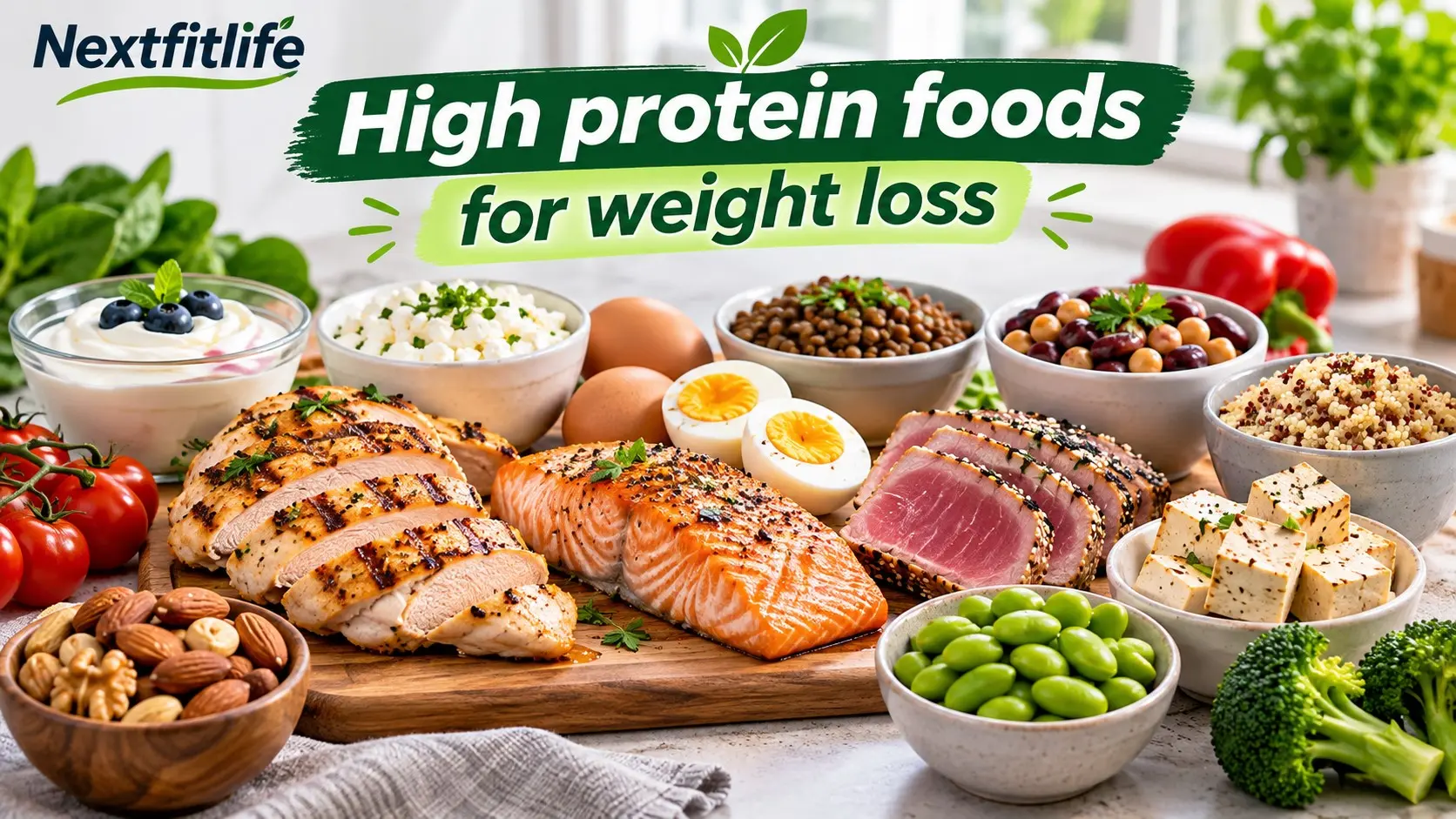
The best high protein foods for weight loss give you a useful amount of protein without making it difficult to stay within your calorie needs.
Plain Greek yogurt, chicken breast, lentils, eggs, tuna, cottage cheese, salmon, shrimp, tofu, edamame, beans, and tempeh are among the strongest choices because they combine protein with practical serving sizes and useful nutrients.
Protein may help with satiety, and it becomes especially valuable during fat loss because adequate protein and resistance exercise can help protect lean mass.
Protein still does not override energy balance. You need an overall calorie deficit for weight loss. If you are not sure what that means, start with How Weight Loss Works, then estimate your needs using the Calorie Deficit Calculator.
Important: This article is for general information and education. It does not replace medical advice, diagnosis, or treatment.
Ask a doctor or registered dietitian before substantially increasing protein if you:
- Have chronic kidney disease
- Have significant liver disease
- Have gout or recurrent kidney stones
- Have a condition that changes protein needs
- Are pregnant or breastfeeding
- Are under 18
- Are medically frail
- Have an active eating disorder
Table of Contents
- Quick Answer
- How Protein Helps Weight Loss
- How Much Protein Do You Need?
- How This List Is Ranked
- 30 Best High Protein Foods
- Best Protein for Fewest Calories
- Best Plant Protein Foods
- Best Protein Breakfasts
- Best Protein Snacks
- Protein at Lunch and Dinner
- Protein and Muscle Preservation
- Protein Powder
- Protein on a Budget
- Common Mistakes
- 7 Day Protein Meal Framework
- Conclusion
- References and Sources
- Explore More Weight Management Guides
- About the Author
- Frequently Asked Questions
Quick Answer: What Are the Best High Protein Foods for Weight Loss?
The strongest choices tend to provide plenty of protein in a practical portion while fitting comfortably into your calorie target.
My top choices include:
- Plain Greek yogurt
- Chicken breast
- Lentils
- Eggs
- Tuna in water
- Cottage cheese
- Salmon
- Shrimp
- Turkey breast
- Edamame
Do not judge foods only by protein grams. Calories, fiber, sodium, saturated fat, price, food quality, and how filling the whole meal feels also matter.
If fat loss is your main goal, combine protein rich meals with a sensible calorie target and regular activity. Our Walking for Weight Loss guide is an easy place to start.
How Can Protein Help With Weight Loss?
Protein can support weight management in several ways.
Protein Can Help You Feel Full
Protein rich meals often feel more satisfying than meals built mostly from refined carbohydrates or fat.
This may help some people control portions or reduce unplanned snacking.
The effect is not magic, and it varies between people. A balanced meal with protein, vegetables, fruit, beans, or whole grains may be more filling than protein alone.
Protein Helps Protect Lean Mass
Weight loss can include both fat and lean tissue.
Adequate protein intake plus resistance training can help protect muscle during a calorie deficit.
This matters for strength, movement, physical function, and long term health.
For a simple strength plan, use our Strength Training and Muscle Building guide.
Protein Takes More Energy to Process
Your body uses energy to digest and process food.
Protein generally has a higher thermic effect than carbohydrate or fat.
This effect is real, but it is not large enough to replace portion control or physical activity.
How Much Protein Do You Need for Weight Loss?
There is no single target that fits every person.
Protein needs change with:
- Body size
- Age
- Health
- Activity
- Resistance training
- Calorie intake
- Weight loss goals
A 2026 International Society of Sports Nutrition position stand suggests that around 1.2 to 1.6 grams of protein per kilogram of body weight per day is a useful range for many generally healthy adults pursuing body weight and fat loss.
That would equal approximately:
| Body Weight | 1.2 g/kg | 1.6 g/kg |
|---|---|---|
| 60 kg | 72 g | 96 g |
| 70 kg | 84 g | 112 g |
| 80 kg | 96 g | 128 g |
| 90 kg | 108 g | 144 g |
This is not a prescription for everyone.
People with kidney disease can need very different protein targets, so a generic high protein recommendation may be inappropriate.
How This High Protein Food List Was Ranked
A food does not rank highly just because it contains a lot of protein.
I considered:
- Protein in a normal serving
- Protein density
- Calories
- Fullness potential
- Fiber
- Micronutrients
- Saturated fat
- Sodium
- Cost
- Ease of use
Protein and calorie amounts below are approximate. Values vary with brands, cooking methods, water content, cuts of meat, and serving size.
30 Best High Protein Foods for Weight Loss
| Rank | Food | Typical Serving | Approx. Protein | Why It Ranks Well |
|---|---|---|---|---|
| 1 | Plain Greek yogurt | 170 g | 15 to 18 g | Easy, filling, versatile |
| 2 | Chicken breast | 85 g cooked | 25 to 27 g | High protein with relatively little fat |
| 3 | Lentils | 1 cooked cup | About 18 g | Protein plus fiber |
| 4 | Eggs | 2 large | 12 to 13 g | Affordable and easy to prepare |
| 5 | Tuna in water | 85 g drained | 20 to 22 g | Lean and convenient |
| 6 | Cottage cheese | 1/2 cup | 12 to 14 g | Useful for meals or snacks |
| 7 | Salmon | 85 g cooked | 21 to 23 g | Protein plus useful fats |
| 8 | Shrimp | 85 g cooked | About 20 g | High protein for relatively few calories |
| 9 | Turkey breast | 85 g cooked | 24 to 26 g | Lean and meal friendly |
| 10 | Edamame | 1 cooked cup | About 17 g | Plant protein plus fiber |
| 11 | Firm tofu | 1/2 cup | 11 to 15 g | Flexible plant protein |
| 12 | Cod | 85 g cooked | 19 to 21 g | Very lean fish |
| 13 | Tempeh | 1/2 cup | 15 to 16 g | Dense and filling plant protein |
| 14 | Sardines | 1 small can | 20 to 23 g | Protein, fats, calcium when bones are eaten |
| 15 | Black beans | 1 cooked cup | About 15 g | Affordable protein plus fiber |
| 16 | Chickpeas | 1 cooked cup | About 14 to 15 g | Versatile and fiber rich |
| 17 | Lean beef | 85 g cooked | 22 to 26 g | High protein plus iron and vitamin B12 |
| 18 | Skyr | 170 g | 15 to 20 g | Protein rich cultured dairy |
| 19 | White beans | 1 cooked cup | About 17 g | Protein and fiber at low cost |
| 20 | Seitan | 85 g | 18 to 25 g | Very protein dense plant option |
| 21 | Pork tenderloin | 85 g cooked | 22 to 24 g | Lean when trimmed |
| 22 | Low fat milk | 1 cup | About 8 g | Convenient protein plus calcium |
| 23 | Kefir | 1 cup | 8 to 10 g | Easy drinkable dairy protein |
| 24 | Green peas | 1 cooked cup | About 8 g | Protein, fiber, and vegetables together |
| 25 | Quinoa | 1 cooked cup | About 8 g | Useful protein rich whole grain style food |
| 26 | Pumpkin seeds | 28 g | About 8 to 9 g | Useful nutrients but calorie dense |
| 27 | Peanuts | 28 g | About 7 g | Affordable but portion sensitive |
| 28 | Almonds | 28 g | About 6 g | Nutritious but calorie dense |
| 29 | Protein fortified pasta | Varies | About 12 to 20 g | Easy way to raise meal protein |
| 30 | Protein powder | 1 scoop | About 20 to 30 g | Convenient when food is impractical |
1. Plain Greek Yogurt
Plain Greek yogurt takes the top position because it is easy to use, provides meaningful protein, and works at breakfast or as a snack.
Choose plain versions when you want better control over added sugar.
Add berries, chopped fruit, cinnamon, or a small portion of nuts.
If reducing sweetened foods is part of your plan, see Stop Eating Sugar to Lose Weight.
2. Chicken Breast
Skinless chicken breast offers a large amount of protein for relatively few calories.
Use grilled, baked, air fried, or poached chicken rather than relying on breaded fried versions.
Build the meal with vegetables and a sensible carbohydrate portion rather than eating protein alone.
3. Lentils
Lentils rank unusually high because they provide both plant protein and fiber.
That combination makes them useful for soups, curries, salads, and grain bowls.
They are also among the best budget choices on this list.
4. Eggs
Eggs are inexpensive, easy to cook, and useful throughout the day.
Pair two eggs with vegetables, fruit, beans, or whole grain toast to create a more complete meal.
Adding egg whites is one way to increase protein without dramatically increasing calories.
5. Tuna in Water
Tuna is high in protein and convenient, but canned fish can contain substantial sodium.
Choose lower sodium products when available and vary the types of seafood you eat rather than relying on tuna every day.
6. Cottage Cheese
Cottage cheese works well with fruit, tomatoes, herbs, or whole grain crackers.
Sodium varies widely between brands, so compare labels if sodium intake matters to you.
7. Salmon
Salmon contains more calories than very lean white fish, but it also provides protein and useful unsaturated fats.
This is a good example of why protein foods should be judged by their entire nutrient package rather than calories alone.
8. Shrimp
Shrimp is very protein dense relative to its calorie content.
Cooking method matters. Grilled or sautéed shrimp fits a calorie controlled plan more easily than deep fried shrimp with rich sauces.
9. Turkey Breast
Fresh turkey breast is another lean protein option.
Deli turkey can still provide protein, but processed versions may contain much more sodium.
10. Edamame
Edamame provides protein and fiber in the same food.
It works well in salads, bowls, stir fries, and snacks.
Best High Protein Low Calorie Foods
If your calorie target is fairly tight, protein density becomes especially useful.
Strong choices include:
- Chicken breast
- Turkey breast
- Shrimp
- Cod
- Tuna in water
- Low fat Greek yogurt
- Egg whites
- Low fat cottage cheese
These foods can deliver significant protein without using a large share of your daily calories.
That does not mean higher calorie protein foods such as salmon, nuts, or seeds are unhealthy. They simply require more portion awareness during a calorie deficit.
Best Plant Based High Protein Foods for Weight Loss
You do not need meat to build a higher protein diet.
Useful plant foods include:
| Food | Approximate Protein | Extra Benefit |
|---|---|---|
| Lentils, 1 cup | 18 g | High fiber |
| Edamame, 1 cup | 17 g | Protein plus fiber |
| Tempeh, 1/2 cup | 15 to 16 g | Firm and versatile |
| Black beans, 1 cup | 15 g | Budget friendly |
| Chickpeas, 1 cup | 14 to 15 g | Easy for bowls and salads |
| Firm tofu, 1/2 cup | 11 to 15 g | Flexible soy protein |
Plant protein foods also make it easier to increase fiber. Combine them with vegetables from our Best Vegetables for Weight Loss guide for filling meals.
Are Nuts High Protein Foods?
Nuts contain protein, but they are not especially protein dense per calorie.
One serving of almonds gives about 6 grams of protein, while also providing a substantial amount of fat and calories.
This does not make almonds bad for weight loss.
It means portions matter.
Use nuts as a nutrient rich addition rather than your main protein source when calories are limited.
Best High Protein Breakfasts for Weight Loss
A high protein breakfast does not need to involve a shake.
Greek Yogurt Bowl
Use plain Greek yogurt, berries, cinnamon, and a small amount of nuts or seeds.
Egg and Vegetable Breakfast
Use eggs or a mix of whole eggs and egg whites with vegetables and whole grain toast.
Cottage Cheese and Fruit
Pair cottage cheese with berries, peach, apple, or another whole fruit.
Protein Oats
Cook oats with milk, then add Greek yogurt, skyr, or a modest amount of protein powder if needed.
If your breakfast currently contains sweetened cereal, pastries, or sugary coffee, use Stop Eating Sugar to Lose Weight for simple swaps.
Best High Protein Snacks
Snacks are optional. You do not need them if your meals keep you comfortable.
When you do need one, practical choices include:
- Plain Greek yogurt
- Skyr
- Cottage cheese
- Hard boiled eggs
- Edamame
- Tuna with vegetables or whole grain crackers
- Fruit with Greek yogurt
The best snack is one that helps you reach your nutrition needs without turning into an extra meal you did not need.
How to Build a High Protein Lunch
Use this simple structure:
- Choose a protein.
- Add vegetables.
- Add a fiber rich carbohydrate when appropriate.
- Add a controlled amount of fat or dressing.
Examples include:
- Chicken salad with beans and vegetables
- Lentil soup with Greek yogurt
- Tuna and bean salad
- Tofu vegetable bowl
- Turkey wrap with salad
How to Build a High Protein Dinner
Dinner can follow the same structure.
Try:
- Salmon with vegetables and potatoes
- Chicken with brown rice and salad
- Lentil curry with vegetables
- Shrimp stir fry
- Tofu with mixed vegetables
- Lean beef with roasted vegetables
You do not need to remove carbohydrates simply because the meal is high in protein.
Should You Spread Protein Across the Day?
Total daily protein is the main priority.
However, spreading protein over several meals can make the target easier to reach and may be useful for active adults trying to preserve muscle.
The 2026 ISSN position stand notes that physically active people may benefit from distributing protein across at least three protein rich meals or eating occasions during a sustained calorie deficit.
A simple pattern might look like:
- 25 to 30 g at breakfast
- 25 to 35 g at lunch
- 25 to 35 g at dinner
- Additional protein as needed from snacks
These numbers are examples, not universal requirements.
Protein and Resistance Training During Weight Loss
Protein and exercise work well together.
A calorie deficit creates the conditions for weight loss, while resistance training gives your muscles a reason to remain strong.
Current 2026 evidence continues to support resistance training as one of the strongest tools for preserving lean tissue during weight reduction.
ACSM’s updated guidance also emphasizes that consistency matters more than complicated programming.
Body weight exercises, bands, machines, and free weights can all work.
See Strength Training and Muscle Building for a structured approach.
Do You Need Protein Powder?
No.
Protein powder is a convenience product.
It can help when:
- You have little time to prepare food
- Your appetite is low
- You need portable protein
- Your food intake regularly falls short of your target
It is not automatically better than eggs, yogurt, fish, beans, tofu, or chicken.
If you use one, check:
- Protein per serving
- Calories
- Added sugar
- Ingredients
- Third party testing when relevant
Best Budget High Protein Foods
Eating more protein does not require expensive steak or supplements.
Budget friendly choices include:
- Eggs
- Lentils
- Black beans
- Chickpeas
- White beans
- Canned tuna
- Plain Greek yogurt in larger containers
- Milk
- Tofu
- Frozen edamame
Dry beans and lentils are especially useful because they provide both protein and fiber for a low cost.
Can Too Much Protein Stop Weight Loss?
Yes, if it pushes your calorie intake above what your body uses.
Protein calories still count.
You can gain weight while eating chicken, nuts, cheese, protein bars, and protein shakes if total energy intake remains too high.
This is why protein density matters.
If progress has stopped, use our Weight Loss Plateau guide before simply adding more protein or cutting more food.
Can High Protein Foods Burn Belly Fat?
No food selectively burns fat from the stomach.
Higher protein meals may support overall fat loss by helping with satiety and lean mass, but fat loss still happens across the body according to genetics and biology.
For a realistic nutrition approach, read Best Foods for Belly Fat Loss Support.
Is a High Protein Diet Safe for Your Kidneys?
Healthy adults and people with kidney disease should not be treated as the same group.
People with chronic kidney disease may need controlled or lower protein intake depending on kidney function, treatment, and nutritional status.
The National Kidney Foundation specifically advises people with kidney disease to work with healthcare professionals on appropriate protein intake.
Do not start a very high protein diet because an online calculator gives you a large number if you have known kidney disease.
Common High Protein Weight Loss Mistakes
Mistake 1: Eating Protein Without a Calorie Deficit
Protein helps the plan. It does not replace the need for appropriate energy intake.
Mistake 2: Treating Nuts as Lean Protein
Nuts are nutritious, but they are calorie dense and provide less protein per calorie than lean meat, fish, yogurt, or legumes.
Mistake 3: Drinking Several Protein Shakes a Day
Shakes can add calories quickly and may displace whole foods.
Mistake 4: Ignoring Fiber
A high protein diet should still include vegetables, fruit, legumes, and other fiber rich foods.
Mistake 5: Eating Processed Meat for Every Meal
Choose a range of protein foods rather than making bacon, sausage, or highly processed deli meat your main sources.
Mistake 6: Removing Every Carbohydrate
Carbohydrates can fit a high protein weight loss diet.
Mistake 7: Ignoring Strength Training
Protein becomes more useful for muscle preservation when resistance exercise is also part of the plan.
A Simple 7 Day High Protein Meal Framework
| Day | Breakfast | Lunch | Dinner |
|---|---|---|---|
| 1 | Greek yogurt and berries | Chicken salad | Salmon and vegetables |
| 2 | Eggs and vegetables | Lentil soup | Turkey with potatoes and salad |
| 3 | Cottage cheese and fruit | Tuna bean salad | Tofu stir fry |
| 4 | Protein oats | Chickpea bowl | Shrimp with rice and vegetables |
| 5 | Skyr and fruit | Turkey wrap | Lean beef and roasted vegetables |
| 6 | Eggs and toast | Black bean bowl | Cod with vegetables |
| 7 | Greek yogurt oats | Edamame tofu salad | Chicken with beans and vegetables |
Portion sizes should fit your personal energy needs. The foods are examples, not a fixed meal prescription.
How Protein Fits Into a Complete Fat Loss Plan
High protein foods are one part of a larger system.
A sustainable plan usually includes:
- A reasonable calorie deficit
- Enough protein
- Vegetables and fruit
- Fiber rich foods
- Walking and daily movement
- Resistance training
- Adequate sleep
- Long term maintenance habits
Start with the Calorie Deficit Calculator, use Walking for Weight Loss for daily activity, and add Strength Training and Muscle Building to support muscle.
If your goal involves a large amount of weight, our Significant Weight Loss guide covers the longer journey from fat loss to maintenance.
Conclusion
The best high protein foods for weight loss are not always the foods with the biggest protein number.
Look for foods that give you meaningful protein, fit your calorie target, support fullness, provide useful nutrients, and work in meals you actually enjoy.
Greek yogurt, chicken, lentils, eggs, fish, cottage cheese, tofu, edamame, beans, and other whole foods can all help build a strong protein base.
Pair adequate protein with a sensible calorie deficit and resistance training if your goal is to reduce fat while protecting strength and lean mass.
Your next step: choose one protein source for breakfast, lunch, and dinner tomorrow, then use the Calorie Deficit Calculator to make sure the complete day still fits your weight loss goal.
References and Sources
- International Society of Sports Nutrition. Position Stand: Diets for Body Weight Reduction. 2026 guidance on energy restriction, protein intake, resistance training, lean mass preservation, and body composition.
https://pubmed.ncbi.nlm.nih.gov/42867412/ - USDA FoodData Central. Public database of nutrient values for foods, including protein, calories, fats, carbohydrates, vitamins, and minerals.
https://fdc.nal.usda.gov/ - American College of Sports Medicine. Updated Resistance Training Guidelines, 2026. Evidence based recommendations emphasizing consistent resistance training and individualized programming.
https://acsm.org/resistance-training-guidelines-update-2026/ - National Kidney Foundation. Kidney Disease and Protein. Guidance explaining why people with kidney disease may require individualized protein intake.
https://www.kidney.org/sites/default/files/kidney_disease_and_protein.pdf - PubMed. Impact of Macronutrient Composition Within High Protein Diets on Body Composition and Cardiometabolic Health. Systematic review and network meta analysis of randomized controlled trials.
https://pubmed.ncbi.nlm.nih.gov/40360850/
Explore More Weight Management Guides
- How Weight Loss Works
- Calorie Deficit Calculator
- Weight Loss Plateau Guide
- Stop Eating Sugar to Lose Weight
- Significant Weight Loss
- How to Drop Pounds
- How to Burn Fat Fast
- Lose Stubborn Fat
- Walking for Weight Loss
- Best Vegetables for Weight Loss
- Best Foods for Belly Fat Loss Support
- Strength Training and Muscle Building
- Best Cardiovascular Workout
- NextFitLife Fitness Hub
Frequently Asked Questions
What are the best high protein foods for weight loss?
Plain Greek yogurt, chicken breast, lentils, eggs, tuna, cottage cheese, fish, shrimp, tofu, edamame, beans, and tempeh are strong choices because they provide meaningful protein in practical servings.
Does eating more protein make you lose weight?
Protein can support fullness and lean mass, but it does not cause weight loss by itself. An overall calorie deficit is still required for body weight and fat reduction.
How much protein should I eat for weight loss?
Needs vary. A 2026 sports nutrition position stand suggests around 1.2 to 1.6 grams per kilogram of body weight per day for many generally healthy adults pursuing weight and fat loss, but individual needs can differ.
What high protein food has the fewest calories?
Very lean foods such as shrimp, cod, tuna in water, skinless chicken breast, turkey breast, egg whites, and low fat Greek yogurt provide substantial protein for relatively few calories.
What is the best plant protein for weight loss?
Lentils, edamame, tofu, tempeh, beans, chickpeas, and seitan can all fit a higher protein plant based weight loss diet.
Are eggs good for weight loss?
Eggs are a useful protein food and can be part of a balanced weight loss diet. Whether you lose weight still depends on the full eating pattern and calorie intake.
Is Greek yogurt good for weight loss?
Plain Greek yogurt provides substantial protein and can make an easy breakfast or snack. Choose unsweetened or lower added sugar versions when possible.
Are nuts good high protein foods?
Nuts contain protein and useful nutrients, but they are calorie dense. They can fit a weight loss plan when portions are appropriate, but lean proteins provide more protein per calorie.
Do I need protein powder to lose weight?
No. Protein powder is optional and mainly useful for convenience. Most people can get protein from ordinary foods.
Should I eat protein at every meal?
You do not need to obsess over every meal, but spreading protein across several meals can make your daily target easier to reach and may support muscle during a calorie deficit.
Can too much protein stop weight loss?
Yes. Protein still provides calories. If total calorie intake exceeds your needs, eating more protein does not guarantee weight loss.
Is a high protein diet safe with kidney disease?
Not automatically. People with chronic kidney disease may require individualized protein limits and should speak with a doctor or registered dietitian before adopting a high protein diet.
Can high protein foods reduce belly fat?
Protein rich foods can support overall fat loss, but no protein food selectively removes belly fat. Fat distribution and loss are influenced by genetics and other biological factors.

