
Published: March 2026
Last updated: July 15, 2026
Next review: July 2027
Written by: Adel Galal, Founder and Lead Writer at NextFitLife
Review status: Written and source checked by Adel Galal. Not medically reviewed by a doctor or registered dietitian.
Reading time: About 14 minutes
Too little of a nutrient may cause a deficiency.
Too much from supplements may also cause harm.
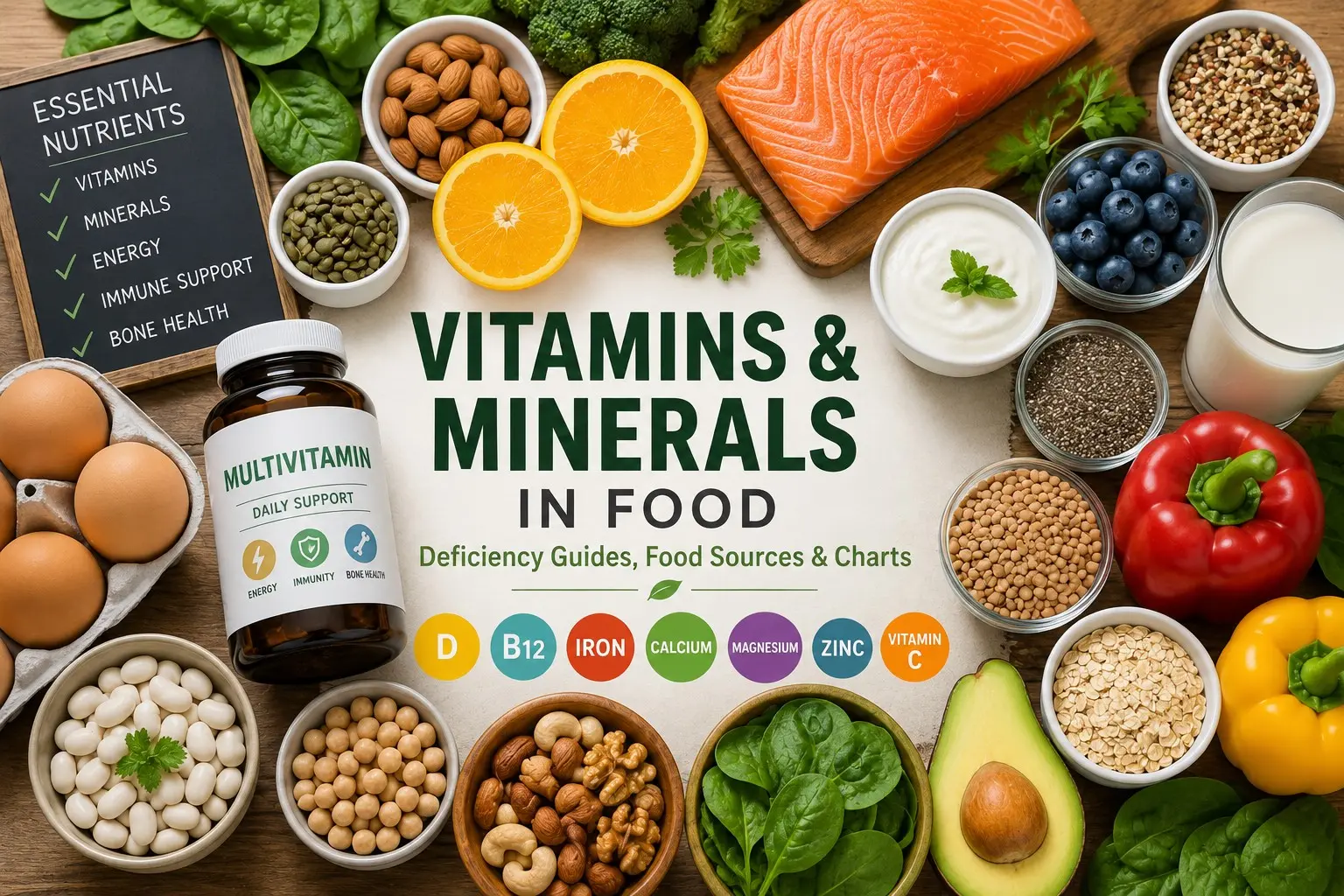
This hub helps you find food sources, understand possible deficiency signs, compare fortified foods, and use supplements more safely.
It does not diagnose a deficiency.
Blood tests, and medical care may be needed when a deficiency is suspected.
Quick Answer
Most people should begin with a varied eating pattern.
Include vegetables, fruit, beans, whole grains, protein foods, dairy or suitable fortified alternatives, nuts, and seeds.
Check food labels because nutrient levels can change by product and brand.
Do not diagnose a deficiency from symptoms alone.
Speak with a qualified health care professional before using a high-dose supplement.
Review and Safety Notice
This page was written, and source checked by Adel Galal.
Adel is a health and wellness writer.
He is not a doctor, registered dietitian, pharmacist, or laboratory professional.
This page has not been clinically reviewed by a licensed nutrition or medical professional.
NextFitLife uses display advertising to support the website.
Advertising does not decide the subjects, sources, or conclusions on this page.
Read the Editorial Policy, Medical Review Policy,
and Corrections Policy.
Important Medical Note
Many deficiency symptoms are not specific.
Tiredness can have many causes.
Muscle pain can have many causes.
Hair loss can have many causes.
Do not start a high-dose supplement because of one symptom.
Speak with a qualified health care professional if you have severe symptoms, ongoing tiredness, numbness, weakness, unusual bleeding, unexplained weight loss, or another health concern.
Seek urgent care for chest pain, trouble breathing, fainting, confusion, sudden weakness, or a serious allergic reaction.
Choose a Vitamin or Mineral Guide
Start with the nutrient you want to understand.
Vitamin D
Learn about food sources, fortified foods, deficiency, testing, and supplement safety.
Vitamin B12 and B Vitamins
Find food sources and learn why age, diet, medicine, and absorption problems may affect vitamin B12 status.
Iron and Anemia
Compare animal and plant sources of iron and learn why anemia needs a proper diagnosis.
Calcium and Bone Health
Find dairy, fortified, fish, bean, tofu, nut, seed, and vegetable sources of calcium.
Magnesium and Zinc
Learn about food sources, normal body functions, supplement limits, and interactions.
Vitamin C, Vitamin K, and Omega-3
Explore food sources and safety notes for other commonly searched nutrients.
What Are Vitamins and Minerals?
Vitamins are substances your body needs for normal growth and function.
There are 13 recognized vitamins.
They include vitamins A, C, D, E, and K.
They also include eight B vitamins.4
Minerals are elements found in food and the environment.
Your body uses them for bones, muscles, nerves, fluid balance, blood cells, and other functions.
Major minerals include calcium, magnesium, phosphorus, potassium, sodium, chloride, and sulphur.
Trace minerals include iron, zinc, copper, iodine, selenium, manganese, and others.5
Your body cannot make most vitamins and minerals.
You usually need to obtain them from food, drinks, fortified products, supplements, or a mix of these sources.
Water Soluble Vitamins
Vitamin C and the B vitamins are water soluble.
Your body does not store large amounts of most of them.
You need regular sources.
This does not mean that very high doses are safe.
Fat Soluble Vitamins
Vitamins A, D, E, and K are fat soluble.
Your body can store them.
Large supplement doses may build up and cause harm.
Major and Trace Minerals
Your body needs larger amounts of major minerals.
It needs smaller amounts of trace minerals.
A small required amount does not mean the nutrient is unimportant.
Vitamins and Minerals in Food Chart
This chart gives common examples.
It is not a complete list.
Nutrient amounts can change with the food type, portion, soil, animal feed, processing, cooking method, and fortification.
Use the food label and USDA FoodData Central when exact values matter.2
| Nutrient | Main roles | Common food sources | Important note |
|---|---|---|---|
| Vitamin A | Vision, immunity, skin, and normal cell growth | Liver, eggs, dairy, carrots, sweet potatoes, spinach, and other dark green or orange vegetables | High-dose preformed vitamin A supplement can be harmful, especially during pregnancy |
| Vitamin B6 | Protein use, blood cells, and nerve function | Fish, poultry, potatoes, chickpeas, bananas, and fortified cereals | Long-term high-dose supplement use may damage nerves |
| Vitamin B12 | Red blood cells, DNA, and nerve health | Fish, meat, eggs, dairy, shellfish, and fortified plant foods | Vegans and some older adults may need fortified foods or supplements |
| Vitamin C | Collagen, wound healing, antioxidant activity, and iron absorption | Citrus fruit, berries, peppers, tomatoes, broccoli, and potatoes | Large supplement doses can cause stomach upset and may raise kidney stone risk in some people |
| Vitamin D | Calcium absorption, bones, muscles, and other body functions | Fatty fish, egg yolks, liver, fortified milk, fortified plant drinks, and some mushrooms | Food sources are limited, and testing or supplements may be advised for some people |
| Vitamin K | Normal blood clotting and proteins involved in bone health | Leafy green vegetables, broccoli, vegetable oils, and some fermented foods | People using warfarin need consistent intake and medical advice |
| Calcium | Bones, teeth, muscles, nerves, and blood vessels | Milk, yogurt, cheese, fortified plant drinks, calcium-set tofu, sardines, beans, and some leafy greens | Absorption varies by food, and more is not always better |
| Iron | Hemoglobin, oxygen transport, energy use, and other body functions | Meat, shellfish, beans, lentils, tofu, fortified cereals, seeds, and leafy vegetables | Iron supplements should not be used without a clear reason because excess iron can be harmful |
| Magnesium | Muscles, nerves, blood sugar regulation, blood pressure, and bone structure | Nuts, seeds, beans, whole grains, spinach, and some fortified foods | High supplement amounts may cause diarrhea and can interact with medicines |
| Zinc | Immunity, wound healing, DNA, growth, and taste | Oysters, meat, poultry, dairy, beans, nuts, seeds, and fortified cereals | Too much supplemental zinc can reduce copper absorption |
| Potassium | Fluid balance, nerves, muscles, and blood pressure | Potatoes, beans, lentils, yogurt, fruit, vegetables, fish, and meat | Some people with kidney disease need a personal potassium limit |
| Iodine | Thyroid hormones and normal growth | Iodized salt, seafood, dairy, eggs, and some seaweed | Seaweed iodine levels can be very high and unpredictable |
Food Sources Are More Than Nutrient Numbers
Food contains many parts.
It may provide vitamins, minerals, protein, fibre, fat, carbohydrate, and other compounds.
This is why a varied diet is usually more useful than chasing one nutrient.
For example, lentils provide iron, magnesium, protein, fibre, and other nutrients.
Salmon provides vitamin D, vitamin B12, protein, selenium, and fats.
Plain yogurt may provide calcium, vitamin B12, protein, and other nutrients.
Fortified foods can also help.
Fortification means that nutrients have been added to a food.
Common examples include fortified breakfast cereals, milk, plant drinks, flour, and salt.
Check the label because not every product is fortified in the same way.
Can Symptoms Show a Vitamin or Mineral Deficiency?
Symptoms can give a clue.
They cannot confirm a deficiency.
Many symptoms overlap with other medical problems.
| Possible symptom | Possible nutrient links | Why does testing matter? |
|---|---|---|
| Ongoing tiredness | Iron, vitamin B12, folate, vitamin D, or other causes | Tiredness may also come from poor sleep, thyroid disease, infection, stress, medicine, or many other conditions |
| Pale skin or shortness of breath | Iron, vitamin B12, or folate related anemia | Different types of anemia need different treatment |
| Numbness or tingling | Vitamin B12, vitamin B6 excess, diabetes, nerve problems, or other causes | Delay may increase the risk of lasting nerve damage in some conditions |
| Muscle weakness or bone pain | Vitamin D, calcium, or other causes | Pain and weakness can also come from injury, medicine, nerve disease, or muscle conditions |
| Frequent cramps | Fluid, sodium, potassium, magnesium, exercise, medicine, or other causes | Magnesium is not the cause of every cramp |
| Easy bruising or unusual bleeding | Vitamin K, vitamin C, platelets, liver disease, medicine, or other causes | Unexpected bleeding needs medical review |
| Hair loss | Iron, zinc, protein, thyroid disease, stress, hormones, or other causes | Taking random supplements may delay the right diagnosis |
Do not use this table to diagnose yourself.
A health care professional may review your diet, symptoms, medicine, health history, and laboratory results.
Who May Have a Higher Risk of Nutrient Deficiency?
Risk depends on the nutrient.
Some groups may need closer attention.
- People who eat a very limited diet
- People with food insecurity
- Vegans who do not use reliable vitamin B12 sources
- People with celiac disease, inflammatory bowel disease, or other absorption problems
- People who have had bariatric surgery
- Pregnant or breastfeeding people
- Infants, children, and teenagers during growth
- Older adults with a low appetite or absorption problems
- People with heavy menstrual bleeding
- People with kidney or liver disease
- People who avoid dairy and do not use fortified alternatives
- People who take medicines that affect absorption or nutrient use
- People with alcohol use disorder
Being in a risk group does not prove that you have a deficiency.
It means that food intake, testing, or professional advice may deserve more attention.
Food First Does Not Mean Food Only
Food can meet many nutrient needs.
It also provides a mix of nutrients that supplements may not provide.
But food is not always enough.
A supplement may be useful when:
- A laboratory test confirms a deficiency
- A doctor diagnoses an absorption problem
- A person cannot obtain enough from food
- A life stage creates a special need
- A medicine affects nutrient status
- A qualified professional recommends it
Examples may include folic acid before and during early pregnancy, vitamin B12 for some vegans, or vitamin D for some people with low levels or limited sources.
The correct product and dose depend on the person.
How to Use Vitamin and Mineral Supplements Safely
A supplement can help.
It can also cause harm.
Use these steps before taking one.
- Know why you are taking it.
- Check whether a test or medical review is needed.
- Read the amount per serving.
- Check whether the amount is above the daily need.
- Look for the tolerable upper intake level when one exists.
- Check for medicine interactions.
- Avoid using several products with the same nutrient.
- Keep supplements away from children.
- Tell your doctor and pharmacist what you use.
High doses are not automatically more effective.
Some nutrients can build up in the body.
Others may affect medicine or laboratory tests.
NIH fact sheets provide recommended amounts, upper limits, food sources, safety information, and known interactions for individual nutrients.1
Take Extra Care With These Nutrients
- Vitamin A during pregnancy
- Vitamin D in high doses
- Vitamin E with blood-thinning medicine
- Vitamin K with warfarin
- Iron without a diagnosed need
- Calcium when kidney stones or other conditions are present
- Magnesium supplements with some antibiotics and other medicines
- Zinc in high doses or for long periods
- Iodine when thyroid disease is present
Speak with a doctor, registered dietitian, or pharmacist when you are unsure.
How to Improve Nutrient Variety
You do not need a perfect meal plan.
Use simple steps.
Eat More Colours
Use different vegetables and fruit across the week.
Colours do not guarantee a nutrient amount.
They are a simple way to encourage variety.
Rotate Protein Foods
Use fish, eggs, poultry, meat, beans, lentils, tofu, tempeh, yogurt, and other suitable foods.
Use Fortified Foods When Helpful
Fortified cereals, milk, plant drinks, and other foods may help fill specific gaps.
Read the nutrition label.
Include Beans, Nuts, and Seeds
These foods can provide magnesium, iron, zinc, protein, fibre, and other nutrients.
Portions matter for nuts and seeds because they contain a lot of energy.
Do Not Depend on One Superfood
No fruit, powder, herb, seed, or drink provides every nutrient.
Your full eating pattern matters more.
Explore NextFitLife Vitamin and Mineral Guides
Choose the topic that best matches the nutrient or question you want to explore. Each guide provides general food information, safety notes, and links to authoritative sources.
Vitamin D Guides
- Foods High in Vitamin D
- Vitamin D Foods for Vegetarians
- Possible Signs of Vitamin D Deficiency
- Vitamin D for Men: Functions, Sources, and Safety
Use these guides to compare vitamin D food sources, vegetarian options, possible deficiency signs, and supplement safety.
Vitamin B12 and B Vitamin Guides
Iron and Anemia Guides
- Foods High in Iron
- Foods High in Iron and Zinc
- Iron-Rich Foods During Pregnancy
- Food and Anemia: What Diet Can and Cannot Do
- Foods With Iron and Calcium
Pregnancy and anemia can require personal assessment. Use these guides for general education and speak with a qualified professional about diagnosis, treatment, or supplement doses.
Calcium Guides
- Calcium Rich Foods
- Green Vegetables High in Calcium
- Calcium Fortified Foods
- Low Calcium Foods and When They May Be Needed
Use these guides to compare general calcium sources, green vegetables, fortified foods, and lower-calcium choices when a health professional has advised them.
Magnesium and Zinc Guides
- Foods High in Magnesium
- Magnesium-Rich Foods and Leg Cramps
- Magnesium for Men: Functions, Sources, and Safety
- Zinc and Magnesium: Food Sources and Supplement Safety
Leg cramps can have many causes. The related guide explains where magnesium may fit without treating one symptom as proof of a deficiency.
Vitamin K, Vitamin C, and Omega-3 Guides
Use these guides to explore vitamin K2, vitamin C, and plant-based omega-3 food sources, along with important safety considerations.
This guide is part of the NextFitLife Foods and Nutrition Hub.
You may also explore the Fruits and Vegetables Hub for individual food guides and the Bone and Joint Health Hub for bone-focused nutrition.
How NextFitLife Checks Nutrient Information
NextFitLife checks nutrient claims against recognized sources. These may include NIH Office of Dietary Supplements fact sheets, USDA FoodData Central, current government dietary guidance, MedlinePlus, clinical guidance, systematic reviews, and peer-reviewed studies.
When an article reports a nutrient amount, we aim to provide a clear food and serving size. We also distinguish food sources from supplements, explain important limitations, and highlight known medicine interactions when relevant.
This content provides general education. It does not diagnose a deficiency or give personal treatment or dosage instructions. Diagnosis, treatment, and disease management should come from a qualified licensed professional.
Conclusion
Vitamins and minerals in food support many normal body functions.
The safest starting point is a varied eating pattern built around nutrient-rich foods.
Use fortified foods when they help meet a genuine need.
Do not diagnose a deficiency from symptoms alone.
Do not assume that a high-dose supplement is better.
Start today by choosing one nutrient guide and checking the foods you already eat.
Speak with a qualified professional when you have symptoms, abnormal test results, a medical condition, or questions about supplements.
References and Sources
- National Institutes of Health Office of Dietary Supplements. Vitamin and Mineral Fact Sheets. Open consumer and professional information about nutrient functions, recommended amounts, food sources, deficiency, upper limits, and medicine interactions.
- United States Department of Agriculture. FoodData Central. Open public database for food composition and nutrient values.
- Office of Disease Prevention and Health Promotion. Dietary Guidelines for Americans, 2025 to 2030. Current public guidance about meeting nutrient needs through healthy eating patterns.
- MedlinePlus. Vitamins. Open health information about the 13 vitamins and their roles in the body.
- MedlinePlus. Minerals. Open information about major minerals, trace minerals, food sources, and medical cautions.
Frequently Asked Questions
What are the best food sources of vitamins and minerals?
Useful sources include vegetables, fruit, beans, whole grains, fish, eggs, dairy, fortified alternatives, meat, poultry, nuts, seeds, tofu, and other varied foods. No single food provides every nutrient.
Can I get every vitamin and mineral from food?
Many people can meet most needs through food. Some people may need fortified foods or supplements because of pregnancy, diet, low laboratory results, medicine, illness, surgery, or absorption problems.
How do I know if I have a vitamin deficiency?
Symptoms alone cannot confirm a deficiency. A health care professional may review your diet, medical history, symptoms, medicine, and laboratory test results.
Should I take a daily multivitamin?
Not everyone needs one. A multivitamin may help some people fill specific gaps, but it does not replace a balanced diet. Ask a qualified professional when you have a medical condition, take medicine, or are unsure.
Are high-dose vitamins safe?
Not always. Some nutrients have upper intake limits. Large doses may cause side effects, build up in the body, or interact with medicine.
Are fortified foods healthy?
Fortified foods can help provide nutrients such as vitamin D, vitamin B12, calcium, iron, iodine, or folic acid. Read the full label because products can also contain added sugar, sodium, or other ingredients.
Can food cure anemia?
No single food cures every type of anemia. Iron deficiency is only one cause. Vitamin B12 deficiency, folate deficiency, bleeding, chronic illness, and other conditions may also cause anemia.
Who should be careful with mineral supplements?
People with kidney disease, liver disease, thyroid disease, pregnancy, medicine use, or a history of kidney stones should seek personal advice before using many mineral supplements.
Is this page medically reviewed?
No. It was written and source checked using authoritative references, but it has not been medically reviewed by a doctor or registered dietitian.
Nutrition and Medical Disclaimer
All content on NextFitLife is for educational and informational purposes only.
It is not intended to replace professional medical advice, diagnosis, treatment, laboratory testing, or personalized care from a registered dietitian.
Speak with a qualified health care professional before using supplements or making major diet changes if you are pregnant, breastfeeding, taking medicine, following a prescribed diet, or living with a medical condition.
Seek urgent medical help for severe weakness, fainting, chest pain, trouble breathing, confusion, sudden numbness, a serious allergic reaction, or another medical emergency.