
NextFitLife Eye Health & Vision
Published: March 2026
Last updated: August 7, 2026
Next editorial review: August 2027 or sooner if guidance changes
Medical review status:
This sub-hub page has not been medically reviewed. Individual articles identify a named qualified reviewer when a medical review has taken place.
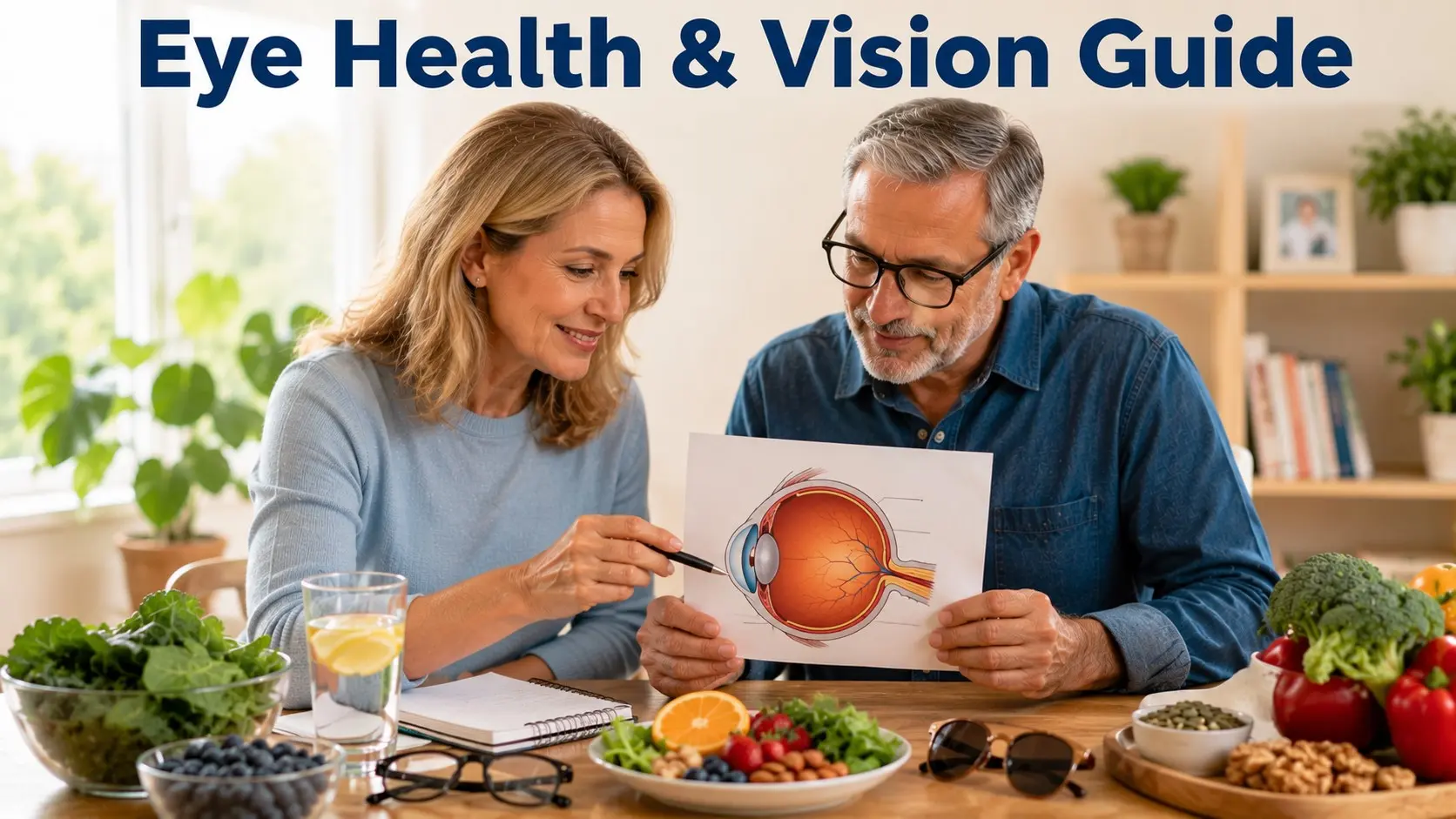
This Eye Health & Vision sub-hub organizes NextFitLife guides about eye exams, dry eye, screen strain, cataracts, glaucoma, age-related macular degeneration, eye infections, nutrition, UV protection, aging eyes, and everyday vision care.
Some eye diseases develop without obvious early symptoms, while certain sudden vision changes require urgent care. Use this page to understand general topics and prepare questions for an eye care professional, not to diagnose an eye condition or replace a comprehensive eye examination.
Get urgent help for sudden or serious eye symptoms
Seek urgent eye care for sudden vision loss, a sudden major change in vision, severe eye pain, serious eye injury, sudden double vision, or sudden loss of side vision.
New flashes of light, a sudden increase in floaters, or a dark curtain or shadow over part of your vision can be symptoms of retinal detachment. Contact an eye doctor or emergency service immediately because delayed treatment can increase the risk of permanent vision loss.
If a chemical gets into the eye, begin rinsing immediately with plenty of clean water while arranging urgent medical care. Remove contact lenses if they come out easily, but do not delay irrigation to remove them.
Eye or vision symptoms together with facial weakness, arm weakness, trouble speaking, confusion, severe imbalance, or another possible stroke sign require emergency medical care.
Choose a starting point
Select the section closest to your question.
Eye exams and prevention
Learn why comprehensive dilated eye exams matter, especially because some eye diseases can begin without noticeable symptoms.
Glaucoma, cataracts, and macular degeneration
Explore risk factors, early detection, treatment questions, and the limits of prevention claims.
Screen strain and blue light
Understand digital eye strain, blinking, screen breaks, sleep, and what evidence does and does not show about screen blue light.
Eye health after 40
Learn about age-related vision changes, eye exams, cataracts, glaucoma, macular degeneration, and safer daily habits.
Dry, itchy, or irritated eyes
Explore common causes of dryness and itching, contact-lens concerns, home-care limits, and infection warning signs.
Food and supplements
Learn what nutrition can support, when AREDS2 may be appropriate, and why general “eye vitamin” claims can be misleading.
Before choosing an article
- Check the article’s author, last-updated date, medical-review status, and topic-specific references.
- A page is medically reviewed only when it names the reviewer, relevant credentials, and review date.
- Do not use an online vision test, symptom checklist, or article to rule out glaucoma, retinal disease, diabetic eye disease, or another condition.
- Do not stop or change prescription eye drops, glaucoma treatment, injections, contact-lens care, or other prescribed treatment because of an article.
- Do not assume that a supplement marketed for “eye health” is suitable for you. AREDS2 is intended for specific stages of age-related macular degeneration, not as a general vision supplement for everyone.
- If you have diabetes, follow the eye-exam schedule recommended by your healthcare and eye-care team because diabetic eye disease can begin before you notice symptoms.
Eye-health and vision article directory
Articles are grouped by reader need. Each article has its own editorial status, references, and safety limitations.
Eye-health basics, exams, and prevention
- Eye Health Guide: Exams, Vision Care, Risk Factors, and Daily Habits
- Daily Eye Care: Exams, UV Protection, Screen Breaks, and Safety Habits
- Summer Eye Care: UV Protection, Dryness, Allergies, and Injury Prevention
- UV Protection for Eyes: Choosing Sunglasses and Reducing Sun Exposure
- Smoking and Eye Health: Vision Risks and Benefits of Quitting
Food, nutrients, and eye supplements
A balanced eating pattern can support general health, including eye health, but food cannot replace eye exams or treatment. High-dose eye supplements should be used for the specific conditions and stages for which evidence supports them.
- Foods for Eye Health: Nutrients, Food Sources, and Evidence Limits
- Eye Vitamins and Supplements: Who May Benefit and What to Check First
- Diet Patterns and Eye Health: Foods, Inflammation, and Evidence Limits
Glaucoma, cataracts, macular degeneration, and other eye disease
Glaucoma often causes no early symptoms and cannot be reliably detected through symptoms alone. Comprehensive dilated eye exams are important for finding glaucoma and other eye diseases before major vision loss occurs.
- Dry Eye Disease: Causes, Symptoms, Treatment, and Home-Care Limits
- Age-Related Macular Degeneration: Risk Factors, Detection, and Protecting Vision
- Cataracts: Risk Factors, UV Protection, Symptoms, and Eye Exams
- Glaucoma: Risk, Early Detection, Treatment, and Protecting Vision
- Peripheral Vision Loss: Possible Causes and When to Seek Eye Care
- Eye Cancer: Possible Symptoms, Diagnosis, and Questions for a Specialist
- Rare Eye Diseases: Symptoms, Diagnosis, and Specialist Care
- Eye Infection: Possible Causes, Symptoms, Prevention, and When to Get Care
- Common Eye Problems: Symptoms, Causes, and When to Seek Care
Digital eye strain, screens, and blue light
Long periods of screen use can contribute to eye strain and dryness. Current evidence does not show that ordinary computer-screen light causes retinal damage, so special blue-light glasses should not be presented as necessary eye protection.
- Digital Eye Strain: Dryness, Focus Fatigue, Screen Breaks, and Relief
- Blue Light, Screens, and Eye Health: What the Evidence Shows
- Screen-Time Eye Exercises: Comfort Strategies and Their Limits
Eye health by age and lifestyle
- Eye Health After 40: Exams, Aging Eyes, and Vision Changes
- Senior Eye Care: Exams, Age-Related Disease, Vision Changes, and Safety
- Sleep and Eye Comfort: Dryness, Fatigue, and Daily Habits
- Hydration and Dry-Eye Comfort: What Water Can and Cannot Fix
Common eye symptoms and practical care
Source standard for eye-health content
Important claims about vision loss, glaucoma, cataracts, macular degeneration, diabetic eye disease, supplements, eye drops, contact lenses, or urgent symptoms should cite the specific guideline, government page, professional guidance, or research source used.
Core public reference sources for this topic include:
- National Eye Institute: Comprehensive Dilated Eye Exams
- National Eye Institute: Retinal Detachment
- National Eye Institute: Glaucoma
- National Eye Institute: Diabetic Retinopathy
- National Eye Institute: AREDS2 Supplements for AMD
- National Eye Institute: Keep Your Eyes Healthy
- CDC: Diabetes and Vision Loss
- MedlinePlus: Eye Diseases
These organizations do not endorse NextFitLife. Each article should cite the exact sources supporting its claims.
Frequently asked questions
What does this Eye Health & Vision sub-hub cover?
It covers eye exams, dry eye, digital eye strain, cataracts, glaucoma, macular degeneration, eye infections, UV protection, nutrition, aging eyes, and urgent vision warning signs.
When are new floaters or flashes an emergency?
A sudden increase in floaters, new flashes of light, or a dark curtain or shadow over vision can signal a retinal tear or retinal detachment. These symptoms need immediate professional assessment.
Can glaucoma be detected from symptoms?
Often not. The most common form of glaucoma usually has no symptoms early on. A comprehensive dilated eye exam, including appropriate glaucoma testing, is important for detection.
Do computer screens damage the retina with blue light?
Current evidence does not show that normal computer-screen use causes retinal damage from blue light. Screen use can still contribute to dryness, eye strain, focusing fatigue, and sleep disruption. Regular breaks, blinking, comfortable viewing distance, and appropriate lighting may help.
Should everyone take AREDS2 eye vitamins?
No. AREDS2 supplements are intended for certain people with specific stages of age-related macular degeneration. They are not proven to prevent AMD in people who do not have it, and high-dose supplements can interact with medicines or cause side effects. Ask an eye-care professional whether they are appropriate for you.
Can eye exercises remove the need for glasses?
Exercises may help with comfort in some situations, but they do not generally correct common refractive errors such as nearsightedness, farsightedness, astigmatism, or age-related presbyopia. Prescription lenses or other professional treatment may still be needed.
How often should I have a dilated eye exam?
The right schedule depends on age, symptoms, family history, diabetes, glaucoma risk, previous eye disease, and other factors. Ask an eye-care professional how often you should be examined rather than relying on one schedule for everyone.
Is every article in this sub-hub medically reviewed?
No. An article is medically reviewed only when it clearly displays the reviewer’s name, relevant credentials, and review date. Otherwise, treat it as general educational content.
Editorial policies and contact
Use eye-health information safely
Eye-care advice can change according to age, symptoms, prescription, diabetes, blood pressure, family history, previous surgery, contact-lens use, medicines, and eye-exam findings. Use this directory to understand the basics and prepare questions, not to replace an examination or individualized treatment.
Medical disclaimer
NextFitLife provides general educational information and does not provide medical advice, diagnosis, treatment, emergency care, or individualized recommendations. Always consult an appropriately qualified eye-care or healthcare professional about vision changes, eye pain, eye disease, medicines, eye drops, supplements, contact lenses, or treatment. In an emergency, contact your local emergency service immediately.