
NextFitLife Fitness Hub
Published: March 2026 · Last updated: July 2026 · Next review: July 2027
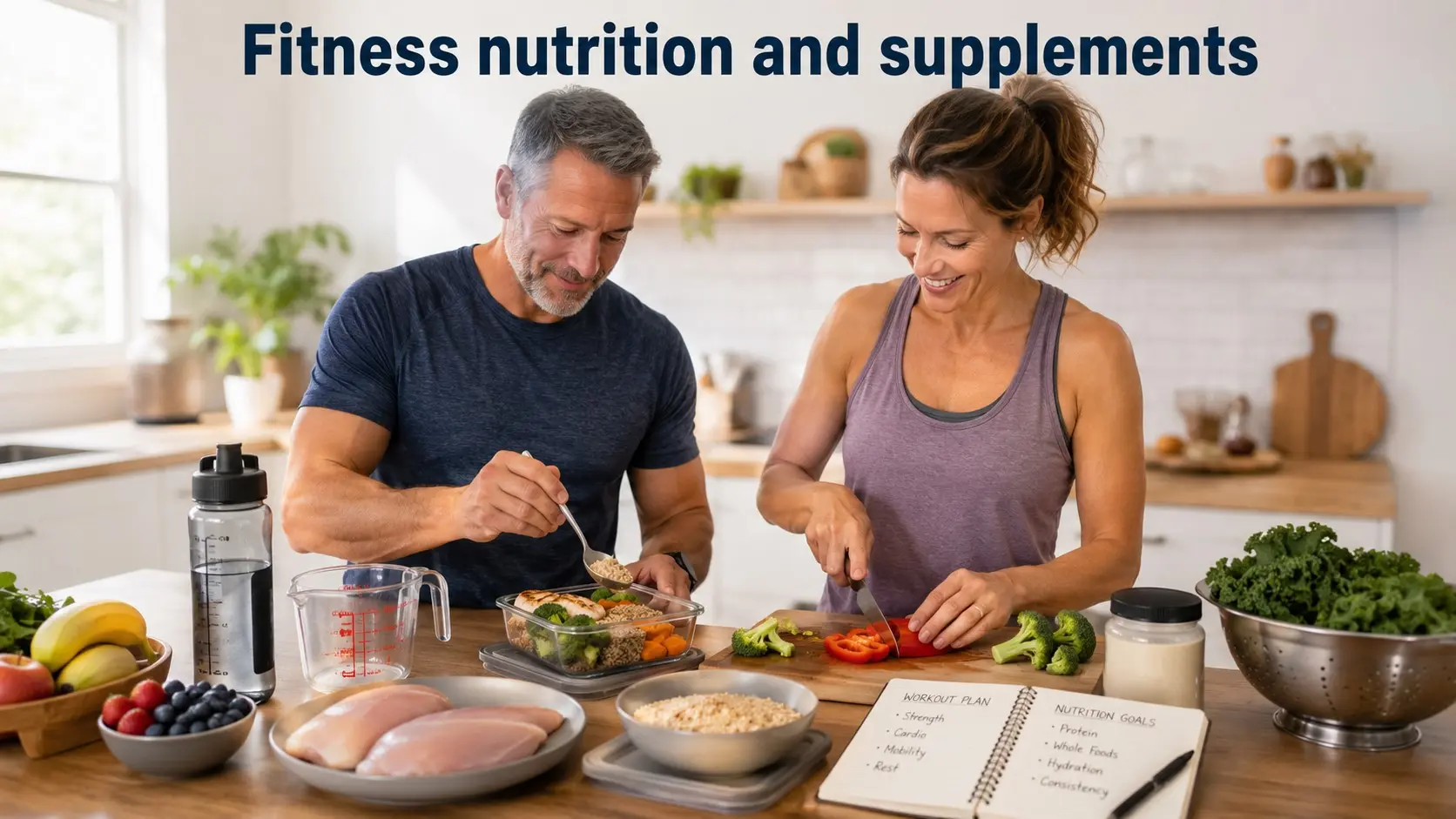
Nutrition for fitness should be practical, balanced, and realistic. Food choices, hydration, protein, carbohydrates, fats, sleep, training load, medical history, medications, and personal preferences all affect what works for a person.
This guide is part of the NextFitLife Fitness Hub, where you can explore related topics such as strength training, cardio, recovery, beginner fitness, home workouts, advanced training, and mind-body movement.
Important fitness nutrition and supplement safety note
This guide is for education only. It does not diagnose nutrition problems, replace medical care, prescribe a diet plan, or tell you to start, stop, or change medication, supplements, diet, treatment, rehabilitation, or exercise.
Speak with a qualified healthcare professional or registered dietitian before making major diet changes, starting keto or other restrictive diets, using weight-loss supplements, using pre-workout products, increasing caffeine, taking creatine with kidney concerns, or changing nutrition while pregnant, breastfeeding, managing diabetes, kidney disease, heart disease, eating disorder history, digestive disease, or chronic illness.
Seek urgent medical help for chest pain, severe shortness of breath, fainting, severe allergic reaction, confusion, severe dehydration, persistent vomiting, severe abdominal pain, signs of stroke, or symptoms that feel sudden, severe, unusual, or dangerous.
Source and review standard for fitness nutrition content
Source standard: Fitness nutrition and supplement articles should use trusted nutrition, medical, public-health, sports-nutrition, dietetics, and supplement-safety sources where relevant. Articles about keto, detox claims, weight loss, older adults, supplements, creatine, pre-workout products, herbal products, diabetes, kidney disease, and rapid results need extra caution.
Review priority: High for articles about supplements, pre-workout products, creatine, detox drinks, keto diets, rapid weight-loss diets, older adult nutrition, diabetes-related eating, kidney disease risk, herbal supplements, and any content that may change medical or nutrition decisions. Medium for general meal ideas, hydration, walking nutrition, and everyday food choices.
Reader safety note: Nutrition advice is not one-size-fits-all. Calories, protein, carbohydrates, hydration, supplements, meal timing, and diet style depend on age, sex, training, health conditions, medication, budget, culture, preferences, and goals.
Trusted sources used for fitness nutrition and supplement guidance
The sources used vary by article, but fitness nutrition and supplement content should commonly reference trusted sources such as:
- CDC: Steps for Losing Weight
- CDC: Physical Activity and Your Weight and Health
- NIDDK: Choosing a Safe and Successful Weight-Loss Program
- NIH Office of Dietary Supplements
- NIH Office of Dietary Supplements: Dietary Supplement Fact Sheets
- Nutrition.gov: Dietary Supplements
- Academy of Nutrition and Dietetics: Hydrate Right
- Academy of Nutrition and Dietetics: Sports and Athletic Performance
- British Dietetic Association: Sport and Exercise Nutrition
- MedlinePlus: Dietary Supplements
Individual articles should include their own references when they discuss specific diets, supplements, creatine, caffeine, pre-workout products, keto, detox drinks, older adult nutrition, diabetes, weight loss, belly fat, meal plans, or performance claims.
How to use this fitness nutrition and supplements guide
Start with the section closest to your goal. If you want better workout energy, begin with meal planning, hydration, and balanced meals. If your goal is weight management, focus on realistic habits before trying restrictive diets or supplement claims.
If you take medication, have diabetes, kidney disease, heart disease, digestive disease, eating disorder history, pregnancy, breastfeeding, or a chronic condition, use these articles as educational support and ask a qualified healthcare professional or registered dietitian before making major changes.
Fitness nutrition, and supplements articles
These articles are grouped by topic. Some older URLs or article titles may still include hype words such as “evidence-based,” “best,” “ultimate,” “secret,” “detox,” “cleanse,” “rapid,” “fast,” “burn belly fat,” “slim waist,” “shed pounds,” “expert,” “supercharge,” or “fuel your best.” The safer visible titles below are the standard to follow as the posts are updated.
Meal planning and diets
- Diet Plan for Workouts: Food, Hydration, Protein, and Timing Basics – Nutrition for training.
- Walking Nutrition: Food, Hydration, and Energy for Regular Walking – Eating for walking workouts.
- Simple Meal Plan for Weight Loss: Balanced Meals and Planning Tips – Beginner Meal Planning.
- Keto Diet Plan for Fitness: Benefits, Limits, and Safety Questions – Keto and fitness considerations.
- Keto Diet Basics: What to Know Before You Start – Keto basics.
- Keto Diet Benefits and Risks: What Research Can and Cannot Tell You – Keto benefits and cautions.
- Keto Diet Plan Questions: Safety, Food Choices, and Medical Cautions – Safer framing around keto plans.
- Beginner Keto Diet Foods: What to Eat, What to Limit, and Safety Notes – Keto foods list.
- Diet Options Compared: How to Choose a Plan That Fits Your Health – Overview of common diets.
- Diets for Weight Loss: Safer Options and Rapid-Loss Cautions – Diets for weight-management goals.
- Diets for Women Over 50: Nutrition, Protein, Bone Health, and Safety – Diet considerations for older women.
- Healthy Diets for Men: Nutrition, Training, and Long-Term Habits – Men’s diet guide.
- Diet for Elderly Women: Protein, Bone Health, Hydration, and Safety – Senior women’s diet.
- Healthy Diet for Over 70s: Nutrition, Strength, Hydration, and Support – Nutrition for adults over 70.
- Winter Diet Plan: Balanced Meals, Hydration, and Seasonal Habits – Seasonal eating.
- MIND Diet: Brain-Healthy Eating Pattern, Foods, and Practical Tips – MIND diet overview.
Breakfast and meal ideas
- Weight-Loss Breakfast Options: Protein, Fiber, and Balanced Choices – Breakfast ideas for weight management.
- Healthy Breakfast Ideas for Weight Loss: Practical Meal Options – More healthy breakfasts.
- Healthy Breakfast Foods for Weight Management: Protein, Fiber, and Fullness – Breakfast food ideas.
- High-Protein Breakfast for Weight Loss: Meal Ideas and Safety Notes – Protein-rich breakfasts.
- Healthy Savory Breakfast for Weight Loss: Balanced Morning Meal Ideas – Savoury options.
- Healthy Lunch Ideas for Weight Loss: Balanced Meals and Meal Prep – Lunch ideas.
- Desserts for Weight Loss: Portion, Ingredients, and Realistic Expectations – Dessert ideas with a weight-management context.
- High-Protein Snacks for Weight Loss: Simple Options and Planning Tips – Protein snacks.
Beverages for fitness and weight management
- Teas for Weight Loss: What They Can and Cannot Do – Tea and weight-management context.
- Healthy Drinks and Belly Fat: Hydration, Calories, and Realistic Claims – Beverages and fat-loss expectations.
- Herbal Drinks for Weight Loss: Safety, Evidence, and Medication Questions – Herbal drinks and cautions.
- Detox Drinks for Weight Loss: Claims, Risks, and Safer Alternatives – Detox drink claims explained.
- Morning Drinks for Weight Loss: Hydration, Calories, and Safety Notes – Morning beverage ideas.
Foods and nutrients
- Vegetables for Weight Loss: Fibre, Fullness, and Balanced Meals – Weight-management-friendly vegetables.
- Foods and Belly Fat: Nutrition Habits, Calories, and Realistic Expectations – Safer framing around belly-fat food claims.
- Dry Fruits and Belly Fat: Portions, Calories, Fibre, and Nutrition – Nuts and dried fruit in weight-management plans.
- Higher-Protein Fruits for Weight Loss: Nutrition Facts and Meal Ideas – Fruits with relatively more protein.
- Fruits and Weight Loss: Which Choices May Need Portion Awareness? – Fruits to portion mindfully.
- Herbal Supplements for Weight Loss: Evidence, Risks, and Questions to Ask – Herbal supplement safety.
- Detox for Fat Loss: Claims, Risks, and What Actually Supports Weight Management – Detox approaches with caution.
- Weight Gain Shakes: Calories, Protein, Ingredients, and Safety Tips – Weight-gain shakes and nutrition planning.
Supplements and ergogenic aids
- Does Creatine Make You Gain Weight? Water Weight, Muscle, and Safety – Creatine effects explained.
- Pre-Workout Supplements: Caffeine, Ingredients, Benefits, and Safety Questions – Pre-workout supplementation and cautions.
Frequently asked questions
What is fitness nutrition?
Fitness nutrition means choosing food, fluids, and eating patterns that support exercise, recovery, strength, endurance, health, and realistic body-composition goals. It includes balanced meals, hydration, protein, carbohydrates, fats, vitamins, minerals, and meal timing.
Do I need supplements for fitness?
No. Most people can start improving fitness with food, hydration, sleep, and consistent training. Supplements may help in specific situations, but they are not required and should be chosen carefully, especially if you take medication or have a health condition.
Is keto good for workouts?
Keto may work for some people, but it is restrictive and may not suit every training goal or medical situation. People with diabetes, kidney disease, pregnancy, eating disorder history, or medication use should seek professional guidance before trying keto.
Can drinks or detoxes reduce belly fat?
No drink can target belly fat directly. Weight change depends on overall food intake, activity, sleep, stress, health conditions, medication, and consistency. Detox drinks can also carry risks if they replace meals, cause dehydration, or interact with medication.
Is creatine safe?
Creatine is widely used, but it may cause water-weight changes and is not right for everyone. People with kidney disease, kidney concerns, medication use, pregnancy, or chronic conditions should ask a qualified healthcare professional before using creatine.
Are pre-workout supplements safe?
Pre-workout supplements can contain caffeine, stimulants, herbs, or blends that may affect heart rate, blood pressure, sleep, anxiety, and medication interactions. Read labels carefully and ask a qualified professional if you have health concerns.
What should I eat before a workout?
Many people do well with a meal or snack that includes carbohydrates, some protein, and fluids, but timing and food choice depend on workout length, intensity, digestion, goals, and personal tolerance.
Are these articles medically reviewed?
Some higher-risk fitness nutrition and supplement articles may receive medical, registered dietitian, sports-nutrition, or professional review. When a page has been reviewed, the reviewer’s name, credentials, and review date should be shown clearly. If no reviewer is listed, readers should treat the article as editorially reviewed fitness information, not personal nutrition or medical advice.
References and sources
These references support the safety and source standards for this fitness nutrition and supplements sub-hub. Individual articles should include additional sources specific to their foods, diets, populations, supplements, and claims.
- Centers for Disease Control and Prevention. Steps for Losing Weight.
- Centers for Disease Control and Prevention. Physical Activity and Your Weight and Health.
- National Institute of Diabetes and Digestive and Kidney Diseases. Choosing a Safe and Successful Weight-Loss Program.
- NIH Office of Dietary Supplements.
- NIH Office of Dietary Supplements. Dietary Supplement Fact Sheets.
- Nutrition.gov. Dietary Supplements.
- Academy of Nutrition and Dietetics. Hydrate Right.
- Academy of Nutrition and Dietetics. Sports and Athletic Performance.
- British Dietetic Association. Sport and Exercise Nutrition.
- MedlinePlus. Dietary Supplements.
Our editorial and review standards
To understand how NextFitLife handles health, fitness, nutrition, supplements, corrections, medical review, and reader safety, read:
Fitness nutrition works best when it is realistic and safe
Food and hydration can support training, recovery, and long-term health, but nutrition does not need to be extreme to be useful. Most people benefit from consistent meals, enough fluids, protein, fiber-rich foods, and a diet pattern they can maintain.
Use this sub-hub as a starting map. Choose the section that matches your goal, read the related articles, and be cautious with restrictive diets, detox claims, supplement promises, and rapid-result messaging.
Medical, nutrition, and fitness disclaimer
All fitness nutrition content on NextFitLife is for educational purposes only and is not intended to replace professional medical advice, diagnosis, nutrition care, registered dietitian guidance, pharmacy advice, supplement safety review, eating-disorder care, emergency care, or treatment. Always consult a qualified healthcare provider or registered dietitian before starting or changing a diet, supplements, medication, exercise, weight-loss plan, keto diet, detox routine, herbal product, pre-workout product, or treatment plan, especially if you have symptoms, a medical condition, take prescription medication, are pregnant, are breastfeeding, are immunocompromised, or are managing a chronic disease.
If you experience urgent symptoms such as chest pain, severe shortness of breath, fainting, severe allergic reaction, confusion, severe dehydration, persistent vomiting, severe abdominal pain, signs of stroke, or any medical emergency, seek emergency medical help immediately.